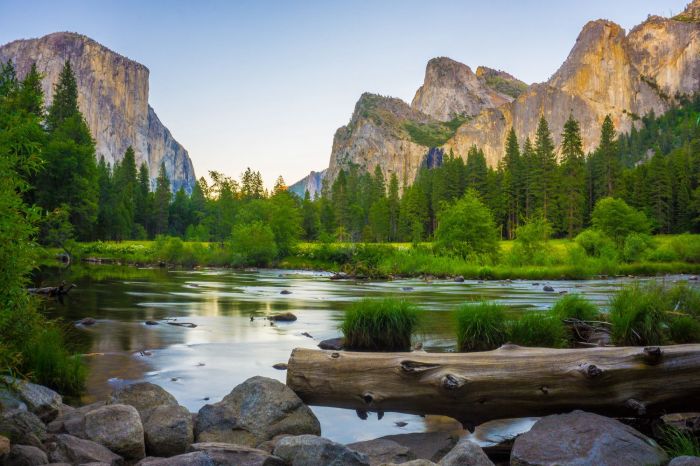
Capture breathtaking landscapes and vibrant wildlife: the pursuit of the perfect nature photograph fuels countless journeys. This exploration delves into the world’s best destinations for nature photography enthusiasts, offering insights into optimal locations, essential gear, and expert techniques to elevate your photographic skills. We’ll guide you through selecting the right equipment, mastering composition, and ethically capturing stunning images of wildlife and landscapes.
From iconic national parks to hidden gems, we’ll uncover locations that promise unparalleled photographic opportunities. Learn how to navigate diverse environments, overcome challenges, and ultimately, create images that truly reflect the beauty and wonder of the natural world. Whether you’re a seasoned professional or an aspiring photographer, this guide will provide valuable knowledge and inspiration for your next adventure.
Top 10 Nature Photography Destinations
Nature photography offers a unique opportunity to capture the raw beauty and power of the natural world. From vibrant landscapes to intricate wildlife details, the possibilities are endless. Choosing the right location is crucial for maximizing your photographic success, ensuring you have access to diverse subjects and optimal lighting conditions. This selection focuses on destinations renowned for their stunning natural beauty and diverse photographic opportunities.
Top 10 Nature Photography Destinations Table
Selecting the ideal locations for nature photography requires considering factors such as biodiversity, accessibility, and the prevailing weather conditions. The following table highlights ten globally renowned destinations, each offering unique photographic opportunities. Note that the best time to visit can vary depending on specific weather patterns and the desired photographic subjects.
| Destination | Country | Best Time to Visit | Notable Photographic Subjects |
|---|---|---|---|
| Yellowstone National Park | USA | June-September (summer) | Geysers, hot springs, wildlife (bison, elk, wolves), vast landscapes |
| Galapagos Islands | Ecuador | June-November (dry season) | Unique wildlife (marine iguanas, blue-footed boobies, giant tortoises), volcanic landscapes |
| Serengeti National Park | Tanzania | June-October (dry season, great migration) | Wildlife (lions, elephants, zebras, wildebeest), vast savannas |
| Amazon Rainforest | Brazil, Peru, Colombia, etc. | July-November (dry season) | Diverse flora and fauna, rivers, lush vegetation |
| Antarctica | Antarctica | November-March (summer) | Icebergs, glaciers, penguins, seals, dramatic landscapes |
| Iceland | Iceland | June-August (midnight sun) | Waterfalls, glaciers, volcanoes, Northern Lights (winter), dramatic coastlines |
| New Zealand | New Zealand | September-April (spring and autumn) | Fjords, mountains, forests, beaches, diverse wildlife |
| Canadian Rockies | Canada | June-September (summer) | Mountains, lakes, forests, wildlife (bears, elk, moose), glaciers |
| Okavango Delta | Botswana | June-October (dry season) | Wildlife (elephants, lions, hippos), diverse birdlife, waterways |
| Yosemite National Park | USA | Spring and Autumn | Waterfalls, granite cliffs, giant sequoia trees, meadows |
Photographic Challenges and Opportunities
Each location presents unique challenges and opportunities. For example, photographing wildlife in the Serengeti requires patience and stealth, while capturing the ethereal beauty of the Northern Lights in Iceland necessitates clear skies and dark nights. The dense vegetation of the Amazon rainforest presents challenges in terms of lighting and access, but offers incredible opportunities to photograph unique flora and fauna.
Antarctica’s extreme conditions demand specialized equipment and preparation, but the rewards are breathtaking landscapes and unique wildlife encounters.
Optimal Lighting Conditions and Time of Day
The best time of day for photography varies depending on the location and subject. Generally, the “golden hour” (the hour after sunrise and the hour before sunset) provides soft, warm light ideal for landscapes and portraits. The “blue hour” (the hour before sunrise and the hour after sunset) offers a cooler, more subdued light, perfect for capturing moody atmospheres.
Midday sun can be harsh, but can be utilized creatively for high-contrast images. In locations like Iceland, the midnight sun offers extended periods of daylight, allowing for unique photographic opportunities. In contrast, capturing the Northern Lights requires long exposures during dark nights. Understanding these variations is crucial for optimizing your photography in each destination.
Essential Travel Gear for Nature Photography
Capturing stunning nature photographs requires the right equipment. Choosing wisely ensures you’re prepared for various conditions and can focus on capturing the perfect shot, rather than worrying about gear limitations. This section Artikels essential items and strategies for packing and maintaining your photography equipment during your travels.
A well-planned kit ensures you’re ready for any photographic opportunity, from dawn to dusk. Consider the specific environments you’ll be shooting in to refine your choices. Remember that less is often more when traveling, prioritizing versatile equipment.
Essential Photography Equipment Checklist
This checklist covers the core equipment necessary for capturing high-quality nature photographs. Prioritize items based on your specific needs and photographic style. Remember to consider factors such as weight and portability when making your selections.
- Camera Body: A high-resolution DSLR or mirrorless camera with good low-light performance is ideal. Consider weather sealing if you anticipate rain or snow.
- Lenses: A versatile zoom lens (e.g., 24-70mm or 24-105mm) is a must-have, covering a wide range of focal lengths. A telephoto lens (e.g., 70-200mm or 100-400mm) is essential for wildlife photography. A wide-angle lens (e.g., 16-35mm) is useful for landscapes.
- Tripod: A sturdy and lightweight tripod is crucial for sharp images, especially in low light or when using longer lenses. Consider a carbon fiber tripod for its lightweight yet robust nature.
- Extra Batteries and Memory Cards: Always carry extra batteries, as they drain quickly in cold temperatures. Multiple memory cards prevent losing precious shots if one card fails.
- Cleaning Kit: A blower brush, microfiber cloths, and lens cleaning solution are essential for maintaining the cleanliness of your equipment.
- Remote Shutter Release: This helps avoid camera shake when shooting in low light or with long exposures.
- Filters: Neutral density (ND) filters reduce light entering the lens, allowing for creative effects like long exposures. Polarizing filters reduce glare and enhance colors.
- Headlamp or Flashlight: Essential for navigating in low-light conditions, especially during early mornings or late evenings.
Essential Apparel and Accessories
Appropriate clothing and accessories are crucial for protecting both yourself and your equipment in various environments. Comfort and functionality should be top priorities.
- Weatherproof Backpack: A backpack designed to protect your equipment from rain and dust is essential.
- Rain Cover for Camera: Provides extra protection for your camera in heavy rain.
- Comfortable Hiking Boots: Essential for navigating challenging terrain.
- Layers of Clothing: Adaptable clothing allows you to adjust to changing weather conditions.
- Insect Repellent: Protects you from insects in various environments.
- Sunscreen: Essential for protecting your skin from the sun.
Packing Strategy for Photography Equipment
Efficient packing is crucial for protecting your equipment and ensuring easy access. Consider using protective cases and dividers within your backpack to organize your gear and prevent damage during transit.
Organize your equipment by function, placing frequently used items in easily accessible compartments. Consider using smaller bags or cases within your main backpack for added protection and organization. A well-structured packing system will minimize frustration and maximize efficiency during your trip.
Maintenance and Care of Photography Equipment in Diverse Environments
Maintaining your equipment in different environments is crucial for its longevity and performance. Proper care extends the life of your gear and ensures you are always ready to capture the perfect shot.
- Extreme Temperatures: Avoid rapid temperature changes, as condensation can damage your equipment. Allow your gear to acclimatize slowly when moving between drastically different temperatures.
- Humidity: Use silica gel packets to absorb moisture and prevent mold or mildew growth. Store your equipment in airtight containers when not in use in humid environments.
- Dust and Sand: Regularly clean your equipment with a blower brush and microfiber cloths to remove dust and sand particles. Avoid changing lenses in dusty environments.
- Water: Protect your gear from rain and water splashes using rain covers and waterproof bags. If your equipment gets wet, allow it to dry completely before use.
Wildlife Photography Techniques
Wildlife photography offers a unique challenge and immense reward: capturing the beauty and power of the natural world. Success hinges on a blend of technical skill, ethical considerations, and a deep respect for the animals and their environment. This section delves into essential techniques to help you achieve stunning, responsible wildlife photographs.Understanding animal behavior is paramount. Animals react differently to various stimuli; knowing this allows you to anticipate their movements and capture more natural, candid shots.
Respecting their space and avoiding disruptive actions is crucial for ethical wildlife photography. Patience and observation are key components to success. A tripod and a telephoto lens are indispensable tools.
Camera Settings for Wildlife Photography
Achieving sharp images of wildlife, especially those in motion, requires careful consideration of camera settings. A fast shutter speed is essential to freeze action and avoid motion blur. A high ISO setting might be necessary in low-light conditions, but this can introduce noise into your images; finding a balance is key. Using a wide aperture (low f-stop number) helps to isolate the subject from the background, creating a shallow depth of field and a pleasing bokeh effect.
For example, an f/2.8 or f/4 aperture is often ideal for wildlife photography, depending on the lens and lighting conditions. Autofocus modes like continuous autofocus (AI Servo or similar) are critical for tracking moving subjects. Experiment with different settings to find what works best for your specific camera and shooting situation.
Composition Techniques for Wildlife Photography
Effective composition is vital for compelling wildlife images. The rule of thirds, a fundamental photographic guideline, suggests placing your subject off-center to create a more visually interesting image. Leading lines, such as a path or river, can draw the viewer’s eye to the animal. Consider the background carefully; a cluttered background can distract from the subject, while a clean, uncluttered background can enhance the impact of the image.
Using negative space effectively can also create a sense of scale and emphasize the subject’s isolation within its environment. For instance, a lone wolf silhouetted against a vast, open landscape is a powerful example of using negative space.
Ethical Considerations in Wildlife Photography
Ethical wildlife photography prioritizes the well-being of animals and their habitats. Never approach animals too closely, as this can cause stress or disrupt their natural behavior. Avoid using flash photography, as it can startle or disorient animals, particularly nocturnal species. Respect any boundaries or regulations set by park authorities or wildlife organizations. Remember, the goal is to capture stunning images without negatively impacting the animals or their environment.
A responsible photographer understands that observing animals in their natural state is a privilege, not a right. This mindful approach ensures the sustainability of wildlife photography and protects the animals and their habitats for future generations.
Landscape Photography Composition

Mastering landscape photography composition is crucial for creating captivating images that truly capture the essence of a scene. Effective composition guides the viewer’s eye, creating a sense of balance, depth, and visual interest, transforming a simple snapshot into a powerful piece of art. Understanding fundamental compositional principles allows photographers to elevate their work and convey a stronger narrative.Effective composition in landscape photography relies on several key principles.
These principles aren’t rigid rules, but rather guidelines to help you make conscious choices about how you frame your subject. By understanding and applying these techniques, you can significantly improve the impact of your images.
The Rule of Thirds
The rule of thirds suggests placing key elements of your landscape, such as a prominent mountain peak or a striking tree, along imaginary lines that divide the frame into thirds both horizontally and vertically. The intersections of these lines are considered powerful focal points. Instead of centering your subject, positioning it along these lines or at their intersections creates a more dynamic and visually engaging image.
For example, imagine a majestic mountain range. Placing the mountain range along the top third of the frame, leaving the lower two-thirds for a foreground element like a flowing river, creates a sense of depth and scale.
Leading Lines
Leading lines are compositional elements that draw the viewer’s eye into the image. These can be roads, rivers, fences, or even a series of rocks, all leading towards a central point of interest. The lines create a sense of depth and movement, guiding the viewer’s gaze through the scene. A winding path disappearing into a dense forest, for example, effectively utilizes leading lines to create a sense of mystery and adventure.
The viewer’s eye naturally follows the path, leading them deeper into the image.
Symmetry and Patterns
Symmetry and patterns create a sense of order and harmony in a landscape photograph. Symmetrical compositions, such as a perfectly reflected landscape in a still lake, offer a sense of balance and tranquility. Repeating patterns, like rows of trees or waves on a beach, can also be visually striking and lead to a sense of rhythm and movement within the image.
A perfectly symmetrical reflection of a mountain range in a calm lake, for instance, can produce a powerful and serene image. The repetition of similar shapes and forms reinforces the feeling of balance and order.
Visual Guide: Landscape Composition Techniques
Imagine a vast field of sunflowers. Using the rule of thirds, the largest cluster of sunflowers is placed along the left-hand vertical third, leaving ample space in the right two-thirds for the clear blue sky. This composition is enhanced by a gently curving dirt road leading from the bottom left corner toward the cluster of sunflowers. This acts as a leading line, drawing the eye to the main subject.
In another scenario, picture a tranquil lake reflecting a snow-capped mountain range. The reflection creates a perfect symmetrical composition, reinforcing the stillness and peacefulness of the scene. Finally, consider a coastal scene with rhythmic waves rolling onto the shore. The repeating pattern of the waves provides a visual rhythm and emphasizes the dynamic energy of the ocean.
Travel Hacks for Nature Photographers
Planning a nature photography trip requires meticulous preparation. Beyond the gear and technical skills, efficient travel strategies can significantly enhance your experience, leading to more rewarding shoots and a more enjoyable journey. These hacks focus on maximizing your time, minimizing expenses, and optimizing your energy for capturing stunning images.
Strategies for Saving Time, Money, and Energy
Effective time management, budget control, and energy conservation are crucial for successful nature photography trips. Failing to plan these aspects can lead to rushed shoots, unnecessary expenses, and photographer fatigue, ultimately hindering your creative output.
| Hack | Benefit |
|---|---|
| Pre-plan your itinerary meticulously, including travel times, shooting locations, and potential weather delays. Utilize online mapping tools and photography location guides to identify ideal shooting spots and plan efficient routes. | Saves valuable time on location, allowing for more focused shooting and exploration. Reduces travel stress and wasted time searching for locations. |
| Pack light. Carefully consider essential gear and clothing, eliminating unnecessary items to reduce baggage fees and carrying weight. Utilize packing cubes to organize your belongings efficiently. | Reduces airline baggage fees, makes travel easier, and frees up energy for photography. Improves overall mobility and comfort during the trip. |
| Take advantage of off-season travel or shoulder seasons. Prices are generally lower, crowds are smaller, and the light can be exceptional during these periods. Research the best time to visit specific locations for optimal weather and lighting conditions. | Significantly reduces travel costs and allows for more intimate experiences in nature. Provides opportunities for unique and less crowded photography opportunities. |
| Utilize public transportation or carpooling whenever possible. This can be more cost-effective than renting a car, especially for shorter trips or when exploring specific areas with good public transit. | Reduces travel costs and environmental impact. Offers opportunities to observe the local landscape and culture from a different perspective. |
| Prepare energy-boosting snacks and drinks to avoid relying on expensive and potentially unhealthy options while traveling. Prioritize hydration and nutrition to maintain stamina throughout the day. | Saves money on food and ensures you maintain energy levels for extended photography sessions. Promotes overall well-being and improves concentration during shoots. |
Finding Unique and Less-Crowded Locations
Discovering hidden gems and avoiding overcrowded tourist spots is key to capturing unique and compelling images. A proactive approach to location scouting can greatly enhance your photographic opportunities.
Thorough research is essential. Explore lesser-known trails, utilize online resources dedicated to off-the-beaten-path locations, and connect with local photographers or communities for insider tips. For instance, instead of visiting the most popular viewpoint of Yosemite Valley, research less-visited trails that offer equally stunning views with fewer crowds. Similarly, explore lesser-known national parks or state parks, often offering incredible landscapes and wildlife opportunities with minimal crowds.
Consider visiting locations during off-peak hours. Sunrise and sunset offer exceptional lighting and fewer crowds compared to midday. Weekdays generally have fewer visitors than weekends, and early mornings or late evenings are ideal for avoiding peak tourist times. For example, arriving at a popular waterfall before sunrise will allow for undisturbed photography, capturing the scene’s serenity without the interference of crowds.
Travel Insurance Considerations
Protecting your investment and well-being while pursuing your passion for nature photography is paramount. Comprehensive travel insurance is not a luxury, but a necessity, offering a safety net against unforeseen circumstances that could derail your trip or inflict significant financial hardship. This section explores the vital role of travel insurance and guides you through selecting the right policy for your needs.Travel insurance for photographers needs to go beyond standard travel coverage.
Standard policies often have limited or no coverage for expensive photography equipment, a critical consideration given the cost of professional cameras, lenses, and other gear. Furthermore, medical emergencies in remote locations can be exceptionally costly, and trip cancellations due to weather, illness, or other unexpected events can result in substantial financial losses. A robust travel insurance policy mitigates these risks, providing peace of mind so you can focus on capturing stunning images.
Types of Travel Insurance Policies and Coverage
Travel insurance policies vary significantly in their coverage levels and price points. Basic policies typically cover medical emergencies and trip cancellations due to specific, limited reasons. More comprehensive plans, often referred to as “comprehensive” or “premium” policies, offer broader coverage, including lost or stolen luggage, damage to personal belongings (including photography equipment), and even emergency medical evacuation. Some policies also offer coverage for pre-existing medical conditions, although this usually requires specific declarations and may involve additional costs.
For example, a basic policy might cover only medical expenses up to a certain limit, while a comprehensive policy could cover extensive medical bills, repatriation costs, and even the cost of replacing lost or damaged equipment up to a specified value. It’s crucial to carefully compare policies from different providers to find the best fit for your specific needs and budget.
Essential Considerations When Choosing a Travel Insurance Plan
Choosing the right travel insurance plan requires careful consideration of several factors. Firstly, determine the level of coverage you need based on the value of your equipment and the nature of your trip. Are you venturing into remote areas with limited medical facilities? Will you be carrying expensive gear? Secondly, review the policy’s exclusions.
Many policies exclude certain activities, such as extreme sports or adventure travel, so ensure your planned activities are covered. Thirdly, check the policy’s claim process, including how to file a claim and the typical processing time. Finally, compare the prices from different providers, keeping in mind that the cheapest option isn’t always the best if it lacks essential coverage.
A checklist should include: coverage amount for medical expenses, equipment coverage limits, cancellation and interruption coverage, emergency assistance services offered, and the provider’s reputation and customer reviews. Consider documenting the value of your equipment with photos and receipts. This will aid in claims processing in case of loss or damage.
Travel Photography Tips and Techniques
Mastering travel photography, especially in diverse natural settings, requires a blend of technical skill and artistic vision. This section delves into advanced techniques for capturing breathtaking images in forests, mountains, and deserts, covering filter usage and post-processing workflows to elevate your nature photography.Capturing stunning nature photographs often involves adapting your techniques to the specific environment. In forests, the challenge lies in managing dappled light and achieving sharp focus through dense foliage.
Mountains present opportunities for dramatic landscapes, but require careful consideration of scale and perspective. Deserts, with their stark beauty and intense sunlight, demand attention to exposure and the avoidance of harsh shadows. Understanding these nuances and applying the right techniques is key to success.
Advanced Photography Techniques for Varied Natural Settings
Forest photography benefits from using a wider aperture (lower f-number) to blur the background and isolate your subject, creating a sense of depth. A polarizing filter can help reduce glare from leaves and enhance color saturation. In mountain landscapes, a telephoto lens can compress the perspective, making the mountains appear closer and more imposing. Using a tripod is crucial for sharp images, especially at longer shutter speeds.
Desert photography necessitates careful exposure management to avoid overexposed highlights and underexposed shadows. Consider shooting during the golden hour (sunrise and sunset) for softer, more flattering light.
Utilizing Filters and Post-Processing Techniques
Filters play a crucial role in enhancing your images. Graduated neutral density (GND) filters are invaluable for balancing exposure in scenes with bright skies and dark foregrounds. Polarizing filters reduce glare and enhance color saturation, particularly useful for landscapes and water scenes. In post-processing, software like Adobe Lightroom and Photoshop allows for adjustments to exposure, contrast, white balance, and sharpening.
Selective adjustments, using tools like masking and brushes, can further refine your images. For example, selectively brightening a shadowed area or subtly enhancing the colors of a particular flower.
A Step-by-Step Post-Processing Workflow for Nature Photography
First, import your RAW images into your preferred editing software. Begin by adjusting the white balance to achieve a natural look. Then, fine-tune the exposure, contrast, and highlights/shadows to optimize the overall dynamic range. Next, use the clarity slider to add detail and vibrancy, but avoid overdoing it. Subsequently, selectively adjust the color saturation and vibrancy, paying close attention to the specific colors in your image.
Finally, carefully sharpen the image to enhance detail without introducing artifacts. A final check for any unwanted blemishes or distractions is essential before exporting your finished photograph.
Travel Visa Requirements
Planning an international photography trip requires careful consideration of visa regulations. Failure to secure the appropriate visa can lead to significant delays, additional costs, and even deportation. Understanding the visa application process is crucial for a smooth and successful journey.Securing the necessary travel visas for international destinations popular with nature photographers involves several key steps. The process generally begins with determining your nationality and the specific countries you plan to visit.
Visa requirements vary considerably depending on these factors, with some countries offering visa-free entry for certain nationalities, while others require visas well in advance of travel. The complexity of the application process can also vary widely, ranging from simple online applications to more involved procedures requiring in-person interviews and extensive documentation.
Visa Requirement Check Resources
Several reliable online resources can help determine visa requirements based on nationality and destination. Government websites of the countries you plan to visit are the most authoritative sources. These websites typically provide detailed information on visa types, application procedures, required documents, and processing times. Additionally, many embassies and consulates maintain online portals offering similar information and allowing for online visa applications.
Commercial travel websites, while generally less authoritative, can also provide a useful overview of visa requirements, often including links to official government sources. It’s always recommended to verify information obtained from commercial sources against official government websites.
Potential Visa Application Challenges and Solutions
Potential challenges during the visa application process can include incomplete or inaccurate applications, missing documentation, delays in processing, and visa denials. To mitigate these challenges, meticulous attention to detail is paramount. Ensure all application forms are completed accurately and completely, with all required supporting documents attached. Allow ample processing time, especially for more complex visa applications, and be prepared for potential delays.
If your visa application is denied, carefully review the reasons provided and address any deficiencies before submitting a new application. Seeking professional assistance from a visa processing service may be beneficial in complex cases, but always be aware of potential additional costs. For example, a photographer planning a trip to several countries in South America might find the process more complicated due to differing visa requirements across different countries in the region, requiring separate applications and potentially longer processing times.
Similarly, obtaining a visa for countries with stricter immigration policies may involve more stringent requirements and a longer wait time.
Urban Escapes and Nature Photography
The juxtaposition of urban grit and natural beauty offers a unique photographic opportunity. Many cities boast surprisingly close proximity to stunning natural landscapes, providing a rich tapestry of subjects for photographers. This allows for creative exploration of contrasting textures, colors, and moods, resulting in compelling images that capture the dynamic interplay between human development and the untouched world.Blending urban exploration with nature photography allows for diverse photographic storytelling.
Images can capture the stark contrast between towering skyscrapers and serene forests, bustling city streets and tranquil lakes, or the unexpected bursts of nature within the urban fabric, like a vibrant flower pushing through a crack in the pavement. This creative tension provides photographers with an exciting challenge and a unique perspective.
Cities with Accessible Natural Areas
Several cities worldwide offer convenient access to diverse natural environments, making them ideal for photographers seeking a blend of urban and natural photography. These locations provide a range of photographic possibilities, from capturing the city skyline reflected in a calm lake to documenting wildlife thriving in urban green spaces. Careful planning ensures photographers can efficiently capture both urban and natural elements within a single trip.Examples include Vancouver, Canada, with its stunning Stanley Park just a short distance from the city center.
The park offers diverse landscapes, from lush rainforests to oceanfront vistas, all within easy reach of the city’s iconic skyline. Similarly, San Francisco, USA, offers a blend of urban dynamism and the breathtaking beauty of Muir Woods National Monument, a short drive from the city. The contrast between the city’s vibrant streets and the serene redwood forests provides a striking visual juxtaposition.
Another example is Rio de Janeiro, Brazil, where the iconic Christ the Redeemer statue overlooks the lush Tijuca National Park, offering unparalleled opportunities for capturing both the city’s grandeur and the beauty of the surrounding rainforest. These locations exemplify the potential for creative urban and nature photography.
Planning a Combined Urban and Nature Photography Trip
Effective trip planning is crucial for maximizing photographic opportunities when combining urban and natural environments. This involves meticulous research, logistical considerations, and a flexible approach to adapt to unexpected conditions. A well-structured itinerary ensures ample time for both urban exploration and nature photography, while also considering factors such as travel time and light conditions.Prioritizing locations and scheduling shoots around optimal lighting conditions are key aspects of planning.
Researching sunrise and sunset times, and understanding how light interacts with both urban and natural landscapes, allows for strategic planning of photo shoots. Considering travel time between locations is also important, ensuring sufficient time to reach each site without compromising photographic opportunities. For example, a photographer might plan an early morning shoot in a nearby national park, followed by afternoon urban photography in the city center.
This approach ensures the efficient utilization of daylight hours and maximizes the photographic potential of both environments.
Vacation Packages and Programs
Planning a photography trip can be time-consuming, requiring meticulous research into locations, permits, accommodation, and transportation. Fortunately, numerous vacation packages and programs cater specifically to nature photographers, offering varying levels of support and structure. These packages simplify the planning process and often provide access to unique opportunities unavailable to independent travelers.Choosing the right package depends heavily on individual preferences and experience levels.
Factors such as budget, desired level of guidance, preferred photography subjects, and travel style all play a crucial role in selecting the most suitable option. A well-chosen package can enhance the overall photography experience, maximizing time spent capturing stunning images and minimizing logistical headaches.
Types of Nature Photography Vacation Packages
Several distinct types of vacation packages cater to nature photographers. These range from fully guided tours with expert instruction to more independent itineraries offering flexibility and freedom. Each option offers unique advantages and disadvantages, influencing the overall experience.
- Fully Guided Tours: These tours typically include all aspects of the trip, from flights and accommodation to daily itineraries and expert-led photography instruction. They offer a structured experience ideal for beginners or those seeking a hassle-free trip. An example would be a ten-day tour of the Galapagos Islands, including daily boat excursions to prime wildlife viewing locations, expert naturalist guides, and onboard photography workshops.
The structured nature ensures access to optimal shooting locations and minimizes the planning burden.
- Semi-Guided Tours: These tours provide a balance between structure and independence. Accommodation and transportation may be pre-arranged, while daily activities and photography opportunities offer more flexibility. For instance, a seven-day photography tour in the Canadian Rockies could offer pre-booked lodges and transportation between locations, while allowing photographers to choose their own hiking trails and shooting spots based on their interests and skill level.
- Independent Packages: These packages typically include pre-booked accommodation and transportation, offering a framework for independent exploration. They suit experienced photographers comfortable planning their own itineraries and seeking maximum flexibility. Imagine a package offering accommodation in a remote lodge in Alaska, with access to a vehicle and pre-arranged permits for exploring national parks, allowing for complete freedom in choosing photography locations and timing.
Factors to Consider When Choosing a Vacation Package
Several critical factors influence the selection of a suitable nature photography vacation package. Careful consideration of these elements ensures a fulfilling and productive photographic journey.
- Budget: Package prices vary significantly based on destination, duration, level of guidance, and accommodation quality. Setting a realistic budget is crucial to avoid overspending.
- Photography Focus: Different packages cater to specific photography interests, such as wildlife, landscapes, or macro photography. Selecting a package aligned with your photographic goals is essential.
- Skill Level: Beginners may benefit from fully guided tours with comprehensive instruction, while experienced photographers may prefer more independent options.
- Travel Style: Consider your preference for comfort, adventure, and level of physical activity when choosing a package. Some packages involve strenuous hikes, while others focus on more relaxed exploration.
- Reputation and Reviews: Researching tour operators and reading reviews from previous participants helps assess the quality and reliability of a package.
Guided Tours versus Independent Travel
The decision between a guided tour and independent travel hinges on individual preferences and priorities. Each approach presents unique advantages and disadvantages.
| Feature | Guided Tour | Independent Travel |
|---|---|---|
| Planning | Minimal planning required | Extensive planning required |
| Expertise | Access to expert guides and instruction | Reliance on self-guided learning and research |
| Cost | Generally more expensive | Potentially less expensive |
| Flexibility | Less flexibility in itinerary | Greater flexibility in itinerary |
| Access | Access to exclusive locations and opportunities | May require more effort to secure access to prime locations |
Venture Capital and Nature Photography Businesses
The burgeoning field of nature photography presents a compelling investment opportunity for venture capitalists. The increasing popularity of eco-tourism and the growing demand for high-quality nature imagery create a fertile ground for businesses catering to this niche market. This includes photography tours, equipment rental services, online platforms for stock photography, and even specialized post-processing services. However, success requires a keen understanding of both the photography market and the venture capital landscape.Venture capitalists assess several key factors before committing funds to nature photography businesses.
Financial projections demonstrating a clear path to profitability are paramount. This includes detailed market analysis, a robust business plan, and a strong management team with proven experience in the tourism or photography sectors. The scalability of the business model is another crucial element. Can the business expand its reach and revenue streams efficiently? Finally, the competitive landscape and the business’s unique selling proposition (USP) are closely scrutinized.
What sets this venture apart from existing players in the market?
Venture Capital Investment Criteria for Nature Photography Businesses
Venture capitalists evaluate numerous factors when considering investment. These include the strength of the business plan, demonstrating market demand and a clear path to profitability. The management team’s experience and expertise are also critically assessed, looking for a proven track record in relevant industries. The scalability of the business model—its potential for growth and expansion—is a key consideration.
Finally, a detailed financial model projecting revenue, expenses, and profitability is essential. For example, a photography tour company might demonstrate scalability by expanding into new locations or offering diverse tour packages. A successful pitch will also highlight a competitive advantage, perhaps through unique tour itineraries or partnerships with renowned photographers.
Challenges and Opportunities in the Nature Photography Market
The nature photography market presents both challenges and significant opportunities. Challenges include seasonality (peak seasons versus off-seasons), dependence on weather conditions, and competition from established players. However, opportunities abound in the growing eco-tourism sector and the increasing demand for high-quality visual content across various platforms. The rise of social media and online platforms has also created new avenues for revenue generation, such as online photography courses or the sale of digital prints.
Furthermore, the increasing awareness of environmental conservation offers potential for partnerships with conservation organizations, creating mutually beneficial marketing and fundraising opportunities. For instance, a company specializing in wildlife photography tours could partner with a local conservation group, donating a portion of its profits to their cause, enhancing brand image and attracting environmentally conscious customers.
Embarking on a nature photography journey requires meticulous planning, technical expertise, and a deep respect for the environment. By understanding the principles of composition, mastering essential gear, and employing ethical wildlife photography techniques, you can create truly remarkable images. Remember to prioritize responsible travel, respect wildlife habitats, and capture the essence of nature’s beauty responsibly. Your photographic adventures will yield not only stunning images but also a profound appreciation for the natural world.
Essential Questionnaire
What’s the best time of year to photograph the Northern Lights?
The best time to photograph the Aurora Borealis is typically during the winter months (September to April) when nights are long and dark.
How can I avoid damaging sensitive camera equipment in harsh weather?
Use waterproof camera bags and rain covers, avoid extreme temperature fluctuations, and regularly clean and maintain your equipment.
What are some ethical considerations when photographing wildlife?
Maintain a safe distance, avoid disturbing animals’ natural behavior, and never use flash photography that might harm them. Obtain necessary permits if required.
What are some good resources for finding less-crowded locations?
Consult local tourism websites, hiking guides, and photography forums. Consider exploring less-popular trails and destinations.


