
Securing venture capital is a crucial step for many startups, and choosing the right city significantly impacts success. The United States boasts a vibrant ecosystem of venture capital, but certain cities consistently attract more funding and offer richer opportunities. This exploration delves into the top locations for securing funding, analyzing the factors that make them attractive, and providing insights for entrepreneurs seeking investment.
We’ll examine the leading cities, comparing their funding amounts, deal frequency, and key industries. We’ll also analyze the ecosystems of key cities, identifying prominent venture capital firms, accelerators, and incubators. Finally, we’ll consider the practical aspects of navigating these cities, offering travel tips and advice on maximizing your chances of securing funding.
Top US Cities for Venture Capital Funding
Securing venture capital is crucial for many startups’ growth and success. The concentration of venture capital funding varies significantly across the United States, with certain cities emerging as dominant hubs. Understanding these key locations and their investment trends is vital for entrepreneurs seeking funding and investors looking for promising opportunities.
Top 10 US Cities for Venture Capital Funding (Ranked)
The following table ranks the top 10 US cities attracting the most venture capital, based on a combination of funding amount and the number of deals closed. Note that precise rankings can fluctuate slightly depending on the data source and reporting period. This data represents a snapshot in time and should be considered as such. The “Key Industries” column highlights the sectors most frequently receiving investment in each city.
| City | Funding Amount (USD) | Number of Deals | Key Industries |
|---|---|---|---|
| San Francisco, CA | $XXX Billion (Estimated) | XXXX | Technology (Software, AI, Biotech), Fintech |
| New York, NY | $YYY Billion (Estimated) | YYYY | Fintech, E-commerce, Healthcare, Media |
| Boston, MA | $ZZZ Billion (Estimated) | ZZZZ | Biotechnology, Healthcare IT, Software |
| Los Angeles, CA | $AAA Billion (Estimated) | AAAA | Entertainment, Technology, Biotech |
| Seattle, WA | $BBB Billion (Estimated) | BBBB | Technology (Software, Cloud Computing), Aerospace |
| Austin, TX | $CCC Billion (Estimated) | CCCC | Technology (Software, SaaS), Healthcare |
| Chicago, IL | $DDD Billion (Estimated) | DDDD | Fintech, E-commerce, Healthcare |
| Denver, CO | $EEE Billion (Estimated) | EEEE | Technology (Software, SaaS), Aerospace |
| San Diego, CA | $FFF Billion (Estimated) | FFFF | Biotechnology, Healthcare, Technology |
| Washington, D.C. | $GGG Billion (Estimated) | GGGG | Government Technology, Fintech, Cybersecurity |
*Note: The funding amounts and number of deals are estimations based on publicly available data and may vary depending on the source and reporting period. Actual figures would require a comprehensive analysis of private investment data from multiple sources.*
Venture Capital Investment Trends in Top 10 Cities (Past 5 Years)
A line graph depicting venture capital investment trends in these top 10 cities over the past five years would show varying growth patterns. For example, Silicon Valley (represented by San Francisco) might show consistent, though perhaps not always linear, growth, reflecting its established position. Other cities like Austin or Denver might exhibit steeper upward trends, reflecting rapid growth in their tech sectors.
Boston, with its strong biotech presence, might show a different pattern, potentially influenced by regulatory changes or specific breakthroughs in the industry. New York’s graph might reflect a more diversified investment landscape, with peaks and troughs depending on the performance of different sectors. The overall graph would highlight the dynamic nature of venture capital investment and the varying growth trajectories of different tech hubs.
The specific data points and slopes of the lines would need to be populated with actual investment data.
Comparison of Venture Capital Investment Strategies: Silicon Valley vs. New York City
Silicon Valley and New York City, while both major VC hubs, exhibit distinct investment strategies. Silicon Valley traditionally favors early-stage, high-growth technology companies, often with a focus on disruptive innovation. Investments tend to be larger and riskier, aiming for exponential returns. New York City, on the other hand, displays a more diversified approach, investing in a broader range of sectors, including fintech, e-commerce, and media.
Investments might be spread across earlier and later stages, with a focus on companies with strong potential for scalability and market penetration. This difference reflects the unique entrepreneurial ecosystems and industry concentrations of each city. For instance, Silicon Valley’s established network of angel investors and incubators fosters a culture of rapid prototyping and scaling, whereas New York’s strong financial sector contributes to a more established and mature investment landscape.
Factors Influencing Venture Capital Location Decisions
Venture capitalists (VCs) don’t distribute funding randomly; their investment decisions are influenced by a complex interplay of factors, extending beyond simple profit potential. Understanding these factors is crucial for both entrepreneurs seeking funding and regions aiming to attract investment. The location of a startup significantly impacts its access to resources, talent, and ultimately, its chances of success.The primary factors driving VC location choices can be broadly categorized into access to talent, market conditions, regulatory environment, and cost of living.
These elements are deeply interconnected, creating a dynamic ecosystem where a strong presence in one area often influences the others. For instance, a thriving tech talent pool attracts startups, which in turn attract VCs, further reinforcing the region’s attractiveness.
Access to Talent
The availability of skilled workers is paramount for VCs. Startups require engineers, designers, marketers, and other specialized professionals. Regions with established universities, strong technical training programs, and a culture of innovation tend to attract both startups and the VCs that fund them. Silicon Valley’s dominance, for example, is partly attributed to its proximity to Stanford University and other leading institutions, fostering a continuous flow of highly skilled graduates.
A shortage of qualified personnel in a specific area can deter VC investment, even if other factors are favorable.
Market Size and Potential
VCs seek investments with significant market potential. Larger markets offer greater opportunities for scaling and generating substantial returns. A region’s existing market size, coupled with projections for future growth, is a key consideration. For example, the robust consumer market in major metropolitan areas like New York City makes it an attractive location for VCs investing in consumer-focused businesses.
Conversely, smaller markets may present challenges in achieving the scale needed to justify significant VC investment, unless a niche market with high growth potential is identified.
Regulatory Environment
A favorable regulatory environment is crucial for attracting VC investment. Clear, consistent, and business-friendly regulations reduce uncertainty and streamline the process of establishing and operating a business. Regions with excessive bureaucracy or unpredictable regulatory changes are less attractive to VCs. States with tax incentives for startups or streamlined incorporation processes often attract more VC funding. Conversely, areas with stringent regulations or unpredictable policy shifts can discourage investment.
Cost of Living
The cost of living, particularly salaries for skilled labor, directly impacts a startup’s operational expenses and profitability. High costs can reduce profit margins and make it more challenging for startups to demonstrate a strong return on investment for VCs. While some high-cost areas justify expenses through access to top talent, others may struggle to attract investment if the cost-benefit ratio is unfavorable.
Regions with lower costs of living, combined with a skilled workforce, can offer a compelling alternative to expensive tech hubs.
Successful Startups in Less Traditional VC Hubs
Several successful startups have emerged from locations outside established VC hubs, highlighting the fact that strong fundamentals can outweigh geographic limitations. For example, several successful SaaS companies have emerged from Austin, Texas, leveraging a growing tech talent pool and a lower cost of living compared to Silicon Valley. Their success demonstrates that a strong team, innovative product, and favorable market conditions can overcome geographical disadvantages.
Mind Map: Interconnected Factors Influencing VC Location Decisions
Imagine a central node labeled “Venture Capital Investment Decisions.” Branching out from this central node are four major branches representing the key factors: “Access to Talent,” “Market Size and Potential,” “Regulatory Environment,” and “Cost of Living.” Each of these branches further subdivides. For example, “Access to Talent” branches into “University Proximity,” “Skillset Availability,” and “Compensation Levels.” Similarly, “Market Size and Potential” branches into “Existing Market Size,” “Growth Projections,” and “Target Customer Demographics.” “Regulatory Environment” branches into “Tax Incentives,” “Ease of Business Formation,” and “Regulatory Stability.” Finally, “Cost of Living” branches into “Housing Costs,” “Operating Expenses,” and “Employee Compensation.” The lines connecting these sub-branches illustrate the interconnectedness.
For instance, a strong “University Proximity” (under “Access to Talent”) can lead to a larger “Market Size and Potential,” as graduates create new companies. High “Housing Costs” (under “Cost of Living”) can negatively influence “Access to Talent,” as skilled workers seek more affordable locations. The mind map visually demonstrates how these factors interact and influence VC investment decisions, highlighting the dynamic and interdependent nature of the process.
Travel Considerations for Entrepreneurs Seeking Funding
Securing venture capital often requires entrepreneurs to travel extensively, pitching their ideas to investors in various cities across the United States. Efficient and strategic travel planning is crucial for maximizing impact and minimizing stress during this demanding process. Effective travel management allows entrepreneurs to focus their energy on presenting compelling business plans rather than logistical challenges.Successful fundraising relies heavily on in-person interactions and building rapport with potential investors.
Therefore, understanding how to navigate the travel aspects efficiently is paramount to a successful fundraising journey. This section focuses on strategies to optimize travel, protect against unforeseen circumstances, and leverage travel experiences for brand building.
Travel Hacks for Frequent Entrepreneur Travelers
Efficient travel is essential for entrepreneurs constantly on the move. Minimizing time spent on travel logistics allows for more focus on meetings and networking opportunities. The following strategies can help streamline the process.
- Utilize loyalty programs: Accumulating points with airlines and hotels can significantly reduce travel costs over time. Strategically choosing flights and accommodations within a particular program can lead to substantial savings and upgrades.
- Pack light: Packing only essential items reduces baggage handling time and potential delays. Consider versatile clothing items that can be mixed and matched for multiple outfits.
- Master airport navigation: Familiarize yourself with airport layouts and security procedures to minimize waiting times. Utilize airport apps to track flights and locate gates efficiently.
- Leverage technology: Utilize travel apps for booking flights, accommodations, and transportation. These apps often offer price comparisons and real-time updates.
- Prioritize efficient transportation: Choose transportation methods that optimize travel time. Consider ride-sharing services or public transportation depending on the city and context.
Travel Insurance for Entrepreneurs
Protecting against unexpected events is crucial for entrepreneurs. Standard travel insurance may not fully cover the unique needs of entrepreneurs, especially those involving business-related activities.Specialized travel insurance policies for entrepreneurs should cover trip cancellations due to business reasons (e.g., a last-minute investor meeting cancellation), lost or damaged business equipment, and medical expenses incurred during business trips. These policies can also include coverage for legal liabilities associated with business activities while traveling.
Comparing policies from multiple providers is recommended to find the best coverage at the most competitive price. Consider policies that offer 24/7 emergency assistance services.
Compelling Travel Photography for Brand Building
Visual storytelling is a powerful tool for entrepreneurs. Well-crafted travel photography can humanize the brand, showcase the dedication involved in securing funding, and build a stronger connection with potential investors and the wider audience.
- Candid shots: Capture genuine moments during meetings or networking events. A photo of a thoughtful discussion with a potential investor, showcasing engagement and passion, can be far more impactful than a posed image.
- Cityscapes: Incorporate the city’s unique architecture or landmarks in the background of photos to subtly communicate the location and the entrepreneur’s dedication to traveling to meet investors. For example, a photo taken in front of a prominent San Francisco building while discussing a deal adds context and visual interest.
- Work-in-progress shots: Show glimpses of the work being done during downtime. This could be a picture of the entrepreneur working on a presentation in a hotel room or reviewing documents at an airport lounge. This conveys a sense of relentless dedication.
- Lifestyle shots: Include shots that subtly showcase the entrepreneur’s personality and lifestyle, but avoid images that are overly staged or inauthentic. A picture taken during a casual coffee break with a potential investor, reflecting a genuine connection, can be very effective.
Additional Travel and Urban Exploration
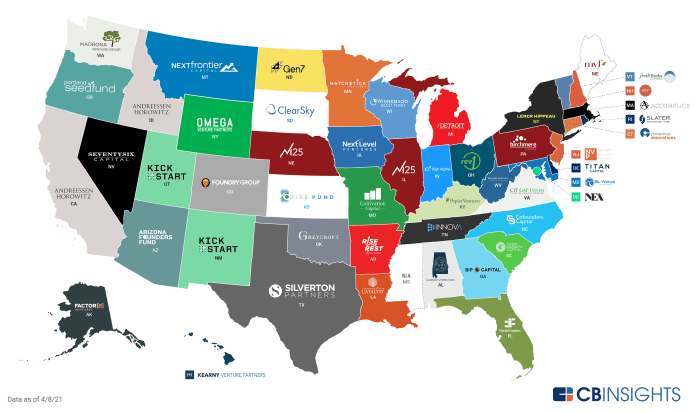
Securing venture capital requires more than just a compelling pitch deck; it often necessitates travel to major US cities, demanding efficient planning and savvy navigation of urban landscapes. This section provides practical advice for entrepreneurs to maximize their time and minimize stress during these crucial trips, focusing on visa acquisition, urban exploration, and sample itineraries for both business and leisure.
Efficient travel is crucial for entrepreneurs seeking funding. Minimizing wasted time and maximizing opportunities for networking are key to success. Careful planning is essential for navigating the challenges of international travel and urban exploration in unfamiliar cities.
Travel Tips for Entrepreneurs Visiting Major US Cities
These tips are designed to streamline the travel experience for entrepreneurs visiting US cities for venture capital meetings, focusing on efficiency and stress reduction.
- Pre-trip Planning: Book flights and accommodation well in advance, especially during peak seasons or major conferences. Consider proximity to meeting locations and transportation options.
- Pack Smart: Pack versatile clothing suitable for both business meetings and casual networking events. Bring comfortable shoes for walking and exploring.
- Utilize Technology: Leverage ride-sharing apps, public transportation schedules, and mapping apps to navigate efficiently. Download offline maps for areas with unreliable internet access.
- Schedule Effectively: Create a detailed itinerary that accounts for travel time, meeting durations, and potential delays. Build in buffer time between appointments.
- Networking Opportunities: Attend industry events, workshops, or conferences to maximize networking opportunities. Utilize online platforms like LinkedIn to connect with potential investors before and after your trip.
- Maintain Professionalism: Ensure your appearance and communication reflect professionalism throughout your trip. Be punctual and prepared for all meetings.
- Self-Care: Prioritize rest and well-being. Schedule time for exercise or relaxation to avoid burnout during a demanding travel schedule.
US Travel Visa Process for Entrepreneurs
Obtaining a US visa can be a complex process, varying depending on nationality and purpose of visit. Understanding the requirements and procedures is essential for a smooth travel experience.
Entrepreneurs typically require a B-1 visa for business purposes. The application process involves completing a DS-160 form online, scheduling an interview at a US embassy or consulate, and submitting supporting documents such as proof of business purpose, financial statements, and a letter of invitation (if applicable). Processing times vary, so it’s crucial to apply well in advance of the intended travel dates.
Specific requirements and procedures are available on the US Department of State website.
Urban Escapes in Venture Capital Hubs
Beyond the business meetings, exploring the unique character of each city can enhance the overall experience and potentially lead to unexpected networking opportunities.
| City | Activity | Cost (Estimate) | Time Commitment |
|---|---|---|---|
| San Francisco | Explore Fisherman’s Wharf, ride a cable car, visit Alcatraz Island | $100 – $300 | Half-day to full-day |
| New York City | Attend a Broadway show, explore Central Park, visit the Museum of Modern Art | $150 – $500 | Half-day to full-day |
| Boston | Walk the Freedom Trail, visit Harvard University, explore the Boston Public Garden | $50 – $150 | Half-day to full-day |
Sample Vacation Package Itinerary (Tech Conference)
This itinerary Artikels a potential trip for an entrepreneur attending a major tech conference in San Francisco.
Day 1: Arrive in San Francisco (SFO), check into hotel near Moscone Center, attend conference welcome reception.
Day 2-3: Attend conference sessions, networking events, and workshops. Evenings free for exploring the city or informal networking.
Day 4: Departure from SFO.
Flights: Round-trip from New York to San Francisco (estimated $500-$1000). Accommodation: 3 nights at a mid-range hotel near Moscone Center (estimated $1000-$1500). Networking Events: Conference registration and optional dinners/social events (estimated $500-$1000).
Hypothetical Vacation Program (Successful Funding Round)
Celebrating a successful funding round with the team is crucial for morale and team bonding. This example focuses on a Napa Valley getaway.
Day 1: Arrive in Napa Valley, check into a luxurious vineyard resort. Afternoon wine tasting and vineyard tour.
Day 2: Hot air balloon ride over the vineyards, followed by a gourmet lunch. Afternoon team-building activity (e.g., cooking class or escape room).
Day 3: Relaxing spa treatments, farewell dinner at a Michelin-starred restaurant. Departure the following morning.
This program prioritizes relaxation, celebration, and team bonding, creating lasting memories after a significant achievement.
Ultimately, securing venture capital requires a strategic approach, encompassing not only a compelling business plan but also a well-informed understanding of the landscape. By understanding the strengths and weaknesses of different cities’ venture capital ecosystems, and by employing effective travel and networking strategies, entrepreneurs can significantly improve their prospects of success. The journey may be challenging, but the rewards for those who prepare effectively can be substantial.
Question Bank
What is the average time it takes to secure venture capital?
The timeframe varies greatly, ranging from several months to over a year, depending on factors such as the stage of the startup, the quality of the pitch, and market conditions.
What is the typical equity stake given up in exchange for venture capital?
The equity stake varies depending on the investment amount, the stage of the company, and the investor’s expectations. It can range from a small percentage to a significant portion of the company.
How important is networking in securing venture capital?
Networking is crucial. Building relationships with investors, mentors, and other entrepreneurs significantly increases the likelihood of securing funding and receiving valuable advice.
Are there any resources available to help startups prepare for venture capital pitches?
Yes, numerous resources exist, including online courses, mentorship programs, and workshops focused on pitch preparation and investor relations.


