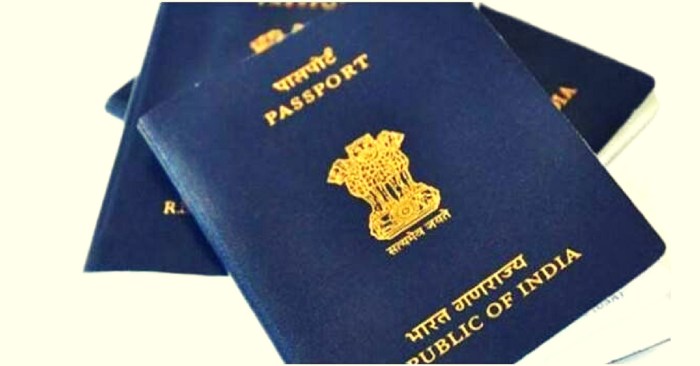
Exploring the world on a budget is a dream for many Indian citizens. Securing affordable travel visas is often the first hurdle. This guide navigates the complexities of international travel for Indian passport holders, highlighting visa-free options, cost-effective visa applications, and practical tips for minimizing expenses.
We’ll delve into countries offering visa-free entry or visa-on-arrival, comparing application processes and fees for popular destinations like Thailand, Malaysia, Singapore, and the UAE. We’ll also uncover lesser-known countries with inexpensive visa processing and readily available services in India, addressing eligibility criteria and required documentation for various visa types.
Affordable Travel Visa Options for Indian Passport Holders
Securing affordable and accessible travel visas is a key consideration for Indian citizens eager to explore the world. This section details various visa options, focusing on cost-effectiveness and ease of application. We will examine visa-free entry, visa-on-arrival schemes, and compare the processes for popular destinations.
Countries Offering Visa-Free Entry or Visa-on-Arrival for Indian Citizens
Many countries welcome Indian citizens with visa-free entry or convenient visa-on-arrival options, significantly reducing travel costs and complexity. The following table summarizes some of these opportunities. Note that regulations can change, so always verify the latest information with the relevant embassy or consulate before travel.
| Country | Visa Type | Requirements | Cost |
|---|---|---|---|
| Nepal | Visa-free | Valid passport | 0 |
| Bhutan | Visa on Arrival | Pre-arranged visa through a licensed Bhutanese tour operator | USD 20-25 (approx.) per day |
| Maldives | Visa on Arrival | Valid passport, onward/return ticket | Free |
| Mauritius | Visa on Arrival | Valid passport, onward/return ticket, proof of accommodation | Free |
| Indonesia | Visa on Arrival | Valid passport, onward/return ticket | USD 35 (approx.) |
| Jamaica | Visa on Arrival | Valid passport, onward/return ticket, proof of sufficient funds | USD 40 (approx.) |
Visa Application Processes and Fees for Popular Destinations
The visa application processes and fees vary significantly across popular destinations. Let’s compare Thailand, Malaysia, Singapore, and the UAE.Thailand: The process typically involves an online application, submission of supporting documents (passport copy, photographs, itinerary), and payment of the visa fee. Fees vary depending on the visa type and processing time. The application process is generally straightforward.Malaysia: Similar to Thailand, Malaysia offers an online application process.
Required documents include a passport copy, photographs, and proof of accommodation. The visa fee is relatively low.Singapore: Singapore’s visa application process may involve an online application or through a visa application center. The required documents are similar to other countries, and fees depend on the visa type and processing time. Singapore generally has a more stringent process.UAE: The UAE visa application process can be more complex, often requiring sponsorship from a local company or individual for tourist or business visas.
The fees can vary considerably. Tourist visas are commonly processed through travel agencies.
Countries with Inexpensive Visa Processing Fees and Readily Available Services in India
Several countries offer relatively inexpensive visa processing fees and convenient application services within India. These services often involve visa application centers located in major Indian cities, streamlining the process. Application timelines typically range from a few days to a few weeks, depending on the country and the visa type. Potential delays can arise from incomplete applications or high demand periods.
Specific timelines should be checked with the respective embassy or visa application center.
Eligibility Criteria and Required Documentation for Various Visa Types
Eligibility criteria and required documentation vary significantly depending on the visa type (tourist, business, student).Tourist Visas: Typically require proof of sufficient funds, onward/return tickets, and a confirmed itinerary. A letter of invitation from a host in the destination country may also be required in some cases.Business Visas: Generally require an invitation letter from a business partner or company in the destination country, detailing the purpose of the visit.
Proof of business registration and financial stability may also be required.Student Visas: Demand proof of admission to an educational institution, financial capacity to support studies, and possibly health insurance. The specific requirements vary greatly depending on the country and the educational institution. In all cases, a valid passport with sufficient validity is essential.
Travel Hacks for Budget Travelers from India

Planning an international trip from India can seem daunting, especially on a budget. However, with careful planning and a few clever strategies, you can significantly reduce your travel expenses and make your dream vacation a reality without breaking the bank. This guide offers practical tips and resources to help you navigate the world affordably.
Five Unique Travel Hacks for Budget-Conscious Indian Travelers
These five hacks offer unique approaches to saving money, going beyond the usual advice. They leverage resources and strategies often overlooked by budget travelers.
- Travel during shoulder seasons: Avoid peak tourist seasons (summer holidays, major festivals) and opt for the shoulder seasons (spring and autumn). You’ll find significantly lower airfares and accommodation rates, and experience less crowded attractions. For example, visiting Europe in April or May, instead of July, can save you hundreds of dollars on flights and hotels.
- Utilize travel reward programs and credit card benefits: Many credit cards offer travel rewards points or miles that can be redeemed for flights or hotels. Similarly, airline loyalty programs can offer discounts and upgrades. Actively participating in these programs and strategically using your credit cards can accumulate significant savings over time. For instance, accumulating enough points on a credit card to cover a round-trip flight to Southeast Asia is entirely achievable.
- Embrace slow travel: Instead of rushing from one place to another, consider spending more time in fewer locations. This reduces transportation costs and allows you to experience each destination more deeply. For example, spending a week exploring a single region in Thailand, rather than flitting between multiple cities, will minimize your travel expenses.
- Consider alternative accommodation: Hostels, guesthouses, and Airbnb are often significantly cheaper than hotels, especially for solo or budget-conscious travelers. Thoroughly researching and comparing options can uncover significant savings. Booking well in advance can also secure better rates.
- Pack light: Avoid checked baggage fees by packing strategically and only bringing essential items. This also makes navigating airports and public transport much easier. Planning your outfits beforehand and utilizing packing cubes can significantly reduce the amount of luggage you need.
Finding and Booking Affordable Flights and Accommodation
Finding the best deals requires research and flexibility. Several websites and apps specialize in finding affordable options.
For flights, consider using metasearch engines like Skyscanner, Google Flights, and Kayak. These aggregate flight information from various airlines and travel agencies, allowing you to compare prices easily. Be flexible with your travel dates; flying mid-week or during off-peak hours can often result in significant savings. For example, a flight from Delhi to London booked three months in advance during a weekday might be significantly cheaper than a last-minute weekend flight.
For accommodation, explore options beyond traditional hotels. Websites like Booking.com, Agoda, and Hostelworld offer a wide range of choices, including hostels, guesthouses, and budget-friendly hotels. Airbnb provides access to apartments and homes, often offering more space and local experiences at competitive prices. Comparing prices across these platforms is crucial to securing the best deal. For example, a centrally located Airbnb in Bangkok might be cheaper and more spacious than a comparable hotel room.
Saving Money on Food and Transportation
Strategic planning can significantly reduce food and transportation costs.
- Eat like a local: Avoid tourist traps and opt for local eateries and street food. This is not only significantly cheaper but also offers a more authentic culinary experience. For example, exploring local markets and street food stalls in Southeast Asia can provide delicious and affordable meals.
- Utilize public transportation: Public transportation, such as buses, metros, and trains, is usually far cheaper than taxis or ride-sharing services. Researching local transport options before your trip is essential. For instance, using the extensive metro system in cities like London or Paris can save a considerable amount on transportation costs compared to taxis.
- Walk or cycle: Walking or cycling is a great way to explore a city and get some exercise, while also saving money on transportation. This is particularly effective in cities with well-developed walking and cycling infrastructure.
- Cook some meals yourself: If staying in an apartment or guesthouse with kitchen facilities, consider preparing some of your own meals. This can significantly reduce your food expenses, especially for longer trips.
Leveraging Free Activities and Resources
Many destinations offer a wealth of free activities and resources.
For city breaks, explore free walking tours, visit parks and gardens, wander through museums on free admission days, and enjoy free events and festivals. Many cities offer free walking tours, providing a great way to explore the city’s history and landmarks without spending a dime. For example, many European cities offer free walking tours led by knowledgeable guides.
For nature trips, consider hiking, camping, and exploring national parks. Many national parks offer free or low-cost entry fees, and hiking trails are readily available. For instance, exploring national parks in countries like Nepal or Costa Rica can offer breathtaking scenery at minimal cost.
Essential Travel Insurance for Indian Travelers
Planning an international trip from India requires careful consideration of various factors, and securing comprehensive travel insurance is paramount. It’s an often-overlooked yet crucial aspect of responsible travel, offering a safety net against unforeseen circumstances that can significantly impact your trip and finances. This section details the importance of travel insurance, different policy types, and the claims process.
Travel insurance for Indian citizens offers crucial protection against a wide range of risks associated with international travel. Policies vary considerably in coverage, cost, and benefits, making it essential to carefully compare options before selecting one that meets your specific needs and travel style. Understanding the various types available and their features is the first step towards making an informed decision.
Types of Travel Insurance Policies for Indian Citizens
Several types of travel insurance cater to different needs and budgets. Common types include basic, comprehensive, and specialized policies. Basic policies typically offer minimal coverage, often limited to medical emergencies and trip cancellations due to specific reasons. Comprehensive policies provide broader coverage, including baggage loss, personal liability, and emergency medical evacuation. Specialized policies cater to specific activities like adventure sports or business trips, offering tailored coverage for associated risks.
The choice depends on the nature of your trip and your risk tolerance.
Importance of Travel Insurance: Medical Emergencies and Trip Cancellations
Travel insurance plays a vital role in mitigating financial losses due to unexpected events. Medical emergencies abroad can be incredibly expensive, and without insurance, the costs could be crippling. For instance, a serious illness or accident requiring hospitalization and repatriation could easily run into lakhs of rupees. Similarly, trip cancellations due to unforeseen circumstances, such as sudden illness, natural disasters, or family emergencies, can result in substantial financial losses from non-refundable flights and accommodation.
Travel insurance helps offset these costs, ensuring you aren’t burdened with significant expenses during a stressful time. For example, a family trip cancelled due to a sudden illness requiring hospitalization would be financially devastating without insurance to cover the non-refundable bookings.
Filing a Travel Insurance Claim: A Step-by-Step Guide
The claims process typically involves several steps. First, report the incident to your insurer as soon as possible, ideally within 24-48 hours. Next, gather all necessary documentation, including medical bills, police reports (if applicable), flight cancellation confirmations, and other relevant papers. Then, complete the claim form accurately and thoroughly, providing all the requested information. Submit the completed claim form along with supporting documentation to the insurer.
Finally, follow up with the insurer to track the progress of your claim and ensure you receive timely payment.
Factors to Consider When Choosing a Travel Insurance Policy
Selecting the right policy requires careful consideration of several key factors.
- Coverage Limits: Ensure the policy’s coverage limits are sufficient to cover potential expenses, considering the cost of medical treatment abroad and potential trip cancellation costs.
- Exclusions: Carefully review the policy’s exclusions to understand what is not covered. Some policies exclude pre-existing medical conditions, adventure sports, or specific activities.
- Customer Service: Choose a reputable insurer with a good track record of customer service, ensuring prompt and efficient claim processing.
- Premium Costs: Compare premiums from different insurers to find a balance between cost and coverage.
- Reputable Insurer: Choose an insurer with a strong reputation and positive customer reviews.
Travel Photography Tips for Indian Travelers
Capturing stunning travel photographs is a rewarding aspect of any journey. This guide offers practical tips and techniques for Indian travelers, focusing on maximizing image quality while working within a budget. We’ll cover essential equipment, shooting techniques, and basic editing to help you transform your travel memories into captivating visuals.
Essential Photography Equipment for Budget Travelers
Investing in professional-grade equipment isn’t necessary for great travel photos. A smartphone with a good camera can produce excellent results, especially with the advancements in mobile phone camera technology. However, a few inexpensive accessories can significantly improve your photography. Consider a lightweight tripod for sharper images in low light, a portable external battery to avoid running out of power, and a lens cleaning cloth to keep your lens free from dust and smudges.
A small, inexpensive reflector can also help to fill in shadows and brighten your subjects, particularly useful when shooting portraits in bright sunlight.
Capturing Stunning Travel Photographs in Various Settings
Landscape photography thrives on wide shots showcasing the vastness of nature. For landscapes, consider the “rule of thirds,” placing the horizon either a third of the way from the top or the bottom of the frame, rather than directly in the center. Experiment with different perspectives, such as shooting from a low angle to emphasize the scale of mountains or a high angle to capture the sprawling beauty of a valley.
For cityscapes, aim for shots that capture the architectural details and the energy of the urban environment. Consider using leading lines – such as roads, rivers, or railway tracks – to draw the viewer’s eye into the scene. For portraits, natural light is your best friend. Avoid harsh midday sun; opt for the softer light of early morning or late afternoon, known as the “golden hour.” Always get permission before photographing people, and be respectful of local customs.
Mastering Various Lighting Conditions
Lighting is crucial for photography. In bright sunlight, use shade or diffused light to avoid harsh shadows. Overcast days provide soft, even lighting, ideal for landscape and portrait photography. In low light conditions, utilize a tripod to prevent camera shake and increase your ISO setting (though be mindful of increased noise at higher ISOs). Experiment with longer shutter speeds to capture the movement of city lights or flowing water.
The “golden hour,” the hour after sunrise and the hour before sunset, offers warm, soft light, perfect for creating a magical atmosphere in your photos.
Improving Image Quality Using Basic Editing Tools
Many free mobile apps and desktop programs offer basic editing tools. Crop your images to improve composition and remove distracting elements. Adjust brightness, contrast, and saturation to enhance colors and details. Experiment with selective adjustments to brighten specific areas or darken others. Avoid over-editing; aim for a natural look that enhances, not distorts, the original image.
Visual Guide: Composition Techniques for Compelling Travel Photography
Imagine a photograph of a bustling Indian market. A strong composition might use the “rule of thirds,” placing the most vibrant stall a third of the way from the left edge of the frame, with the leading lines of the alleyways drawing the viewer’s eye towards it. Another example: a serene landscape photo of the Himalayas. The photographer might use symmetry, placing the mountain peak precisely in the center, creating a balanced and harmonious image.
A portrait of a local artisan could benefit from negative space, leaving ample empty space around the subject to emphasize their importance and create a sense of tranquility. A cityscape at night could effectively utilize leading lines, using the streetlights and buildings to guide the viewer’s gaze towards the city’s focal point, perhaps a grand monument or a vibrant intersection.
Each composition technique offers a unique way to communicate the essence of the scene.
Travel Tips for Indian Citizens
Embarking on your first international trip can be both exciting and daunting. Careful planning and preparation are key to ensuring a smooth and enjoyable experience. This section offers crucial travel tips specifically tailored for Indian citizens venturing abroad for the first time, covering cultural nuances, packing strategies, and the benefits of learning basic local phrases.
Five Crucial Travel Tips for First-Time International Travelers from India
Prioritizing certain aspects of your travel preparations can significantly reduce stress and enhance your overall journey. The following five tips address common concerns and offer practical solutions for a smoother experience.
- Visa and Passport Validity: Ensure your passport has at least six months of validity remaining beyond your intended travel dates and obtain the necessary visa well in advance. Processing times can vary significantly, so early application is crucial. Check the specific visa requirements for your destination country on their embassy or consulate website.
- Travel Insurance: Secure comprehensive travel insurance that covers medical emergencies, trip cancellations, lost luggage, and other unforeseen circumstances. This is especially important for first-time international travelers, providing peace of mind in case of unexpected events.
- Currency Exchange: Exchange a reasonable amount of currency before your departure to avoid unfavorable exchange rates at the airport. Inform your bank about your travel plans to prevent any issues with your debit or credit cards. Consider using a travel money card for added security and convenience.
- Flight and Accommodation Bookings: Book flights and accommodations well in advance, especially during peak seasons, to secure better deals and avoid last-minute hassles. Compare prices from different platforms to find the best options.
- Copies of Important Documents: Make multiple copies of your passport, visa, tickets, and other important documents. Store one set separately from the originals, ideally in a cloud storage service or with a trusted person at home. This precaution helps mitigate the impact of loss or theft.
Cultural Sensitivities and Etiquette
Understanding and respecting the cultural norms of your destination is vital for a positive travel experience. Different cultures have varying customs and etiquette, and being aware of these can prevent misunderstandings and awkward situations.
- Japan: Bowing is a common greeting, and removing your shoes before entering homes or some restaurants is customary. Public displays of affection are generally discouraged.
- Middle East: Modest dress is generally expected, especially when visiting religious sites. Right-hand use for eating and greetings is preferred. Avoid public displays of affection.
- Europe (Many Countries): Direct eye contact is generally considered polite, unlike some other cultures. Standing close while conversing is common in some areas but not in others. Tipping customs vary widely.
Efficient Packing for Different Types of Trips
Packing efficiently is crucial, especially for budget travelers. Overpacking adds weight and can lead to extra baggage fees. The type of trip significantly impacts what you need to pack.
A sample packing list for a week-long trip to a warm climate could include:
- Lightweight clothing (shirts, shorts, skirts, dresses)
- Swimsuit
- Underwear and socks
- Light jacket or sweater (for evenings)
- Comfortable walking shoes
- Sunscreen, hat, sunglasses
- Toiletries (travel-sized)
- Medications (with prescriptions)
- Adapters (if necessary)
- Small backpack or day bag
Importance of Learning Basic Local Phrases
Learning a few basic phrases in the local language can significantly enhance your travel experience. It shows respect for the local culture and can be incredibly helpful in navigating unfamiliar situations. Even simple phrases like “hello,” “thank you,” and “please” can go a long way. Knowing how to ask for directions or order food in the local language can make your interactions with locals more meaningful and enjoyable.
For example, learning “Excuse me” (e.g., “Excusez-moi” in French, “Scusi” in Italian) allows for polite interactions, while knowing “Thank you” (e.g., “Gracias” in Spanish, “Arigato” in Japanese) fosters positive interactions and shows appreciation.
Venture Capital and the Travel Industry
Venture capital (VC) is significantly reshaping the travel industry, fueling innovation and driving growth in areas previously untouched. This influx of investment is transforming how we plan, book, and experience travel, particularly impacting sustainable practices and technological advancements. The increasing focus on data-driven decision-making and the potential for high returns are key factors attracting VC interest.The travel industry’s inherent dynamism and vast potential for disruption are attracting significant venture capital investment.
Several key trends are driving this interest. The rise of sustainable tourism, driven by growing environmental awareness, presents a compelling opportunity for investors. Similarly, technological innovations like AI-powered travel planning tools, personalized travel experiences, and blockchain-based booking systems are attracting considerable investment due to their potential to enhance efficiency and customer satisfaction. Furthermore, the increasing reliance on mobile technology and the growth of the sharing economy are creating new market segments and investment opportunities.
The reasoning behind these investments is straightforward: VC firms see the potential for substantial returns in a rapidly evolving market with a large and growing customer base.
Sustainable Tourism and VC Investment
Sustainable tourism initiatives are receiving increasing attention from venture capitalists. Companies focused on eco-friendly accommodations, carbon-neutral travel options, and responsible tourism practices are attracting significant investment. For example, companies developing carbon offsetting programs for flights or creating platforms connecting travelers with sustainable tour operators are attracting significant investment. This reflects a growing consumer demand for environmentally conscious travel and the potential for long-term growth in this sector.
The investment is driven by both the financial potential and the growing societal demand for responsible travel.
Technological Innovation in Travel
Technological advancements are revolutionizing the travel industry, attracting substantial VC funding. Startups leveraging AI for personalized travel recommendations, optimizing flight and hotel bookings, or enhancing customer service are receiving significant investment. For example, companies using AI to predict travel trends and optimize pricing strategies are seeing considerable success. Furthermore, the development of blockchain technology for secure and transparent booking systems is also attracting substantial VC interest.
These investments are driven by the potential to improve efficiency, reduce costs, and enhance the overall travel experience for consumers.
Venture Capital’s Role in Fostering Startup Growth
Venture capital plays a crucial role in fostering the growth of travel startups. Funding enables startups to develop their technology, expand their operations, and scale their businesses. Successful travel startups that have received significant venture funding include Airbnb, a platform connecting travelers with unique accommodations; Booking.com, a global online travel agency; and Skyscanner, a flight comparison website. These companies have disrupted the traditional travel industry and demonstrate the transformative power of venture capital in the sector.
The funding provided not only fuels expansion but also facilitates access to mentorship, networks, and strategic partnerships that are essential for startup success.
Venture Capital’s Potential Impact on Indian Entrepreneurs and Travelers
The potential for venture capital to drive innovation and create new opportunities within the travel industry for Indian entrepreneurs is substantial. India’s large and growing domestic travel market, coupled with its increasing adoption of technology, presents a fertile ground for travel startups. VC investment can help Indian entrepreneurs develop innovative solutions catering to the specific needs and preferences of Indian travelers.
This could lead to the creation of new travel products and services, enhancing the travel experience for Indian citizens and potentially boosting the country’s tourism sector. The impact on Indian travelers would include greater access to affordable and personalized travel options, enhanced travel experiences, and increased convenience. For example, the development of hyperlocal travel apps catering to specific regional needs or the creation of sustainable tourism packages focusing on India’s diverse cultural heritage could significantly benefit Indian travelers.
Planning an international trip from India needn’t break the bank. By carefully considering visa options, employing smart travel hacks, and securing appropriate travel insurance, Indian citizens can unlock a world of affordable travel experiences. Remember to research thoroughly, plan ahead, and prioritize your safety and well-being throughout your journey. Happy travels!
User Queries
What is a visa-on-arrival?
A visa-on-arrival allows you to obtain a visa upon arrival at the airport or border of a country, eliminating the need for a pre-approved visa.
How long does a typical visa application process take?
Processing times vary greatly depending on the country and visa type. It can range from a few days to several weeks. Check the specific embassy or consulate website for accurate estimates.
What type of travel insurance is recommended for Indian travelers?
Comprehensive travel insurance covering medical emergencies, trip cancellations, and lost belongings is highly recommended. Consider a policy with sufficient coverage limits and good customer service.
Are there any visa requirements for minors traveling internationally?
Yes, minors often require additional documentation, such as a notarized consent letter from parents or guardians. Check the specific visa requirements of your destination country.


