
Embarking on a US road trip promises adventure, but meticulous planning is key to a truly stress-free journey. From crafting the perfect itinerary to mastering efficient packing strategies, this guide provides invaluable insights for transforming your cross-country adventure into an unforgettable experience. We’ll delve into practical tips for managing your budget, ensuring vehicle reliability, and navigating the open road with ease, all while maximizing enjoyment and minimizing potential headaches.
This comprehensive guide covers every aspect of planning and executing a smooth and enjoyable American road trip. We explore efficient route planning, smart accommodation choices, and strategies for managing food and dining along the way. Safety is paramount, and we’ll provide essential safety checklists and tips to ensure a secure journey. Furthermore, we’ll unveil money-saving hacks and discuss the importance of travel insurance to safeguard your investment and peace of mind.
Finally, we’ll touch on capturing your memories through photography and navigating any necessary visa considerations for domestic travel.
Accommodation and Lodging Strategies
Choosing the right accommodation is crucial for a stress-free road trip. The vastness of the USA offers a diverse range of lodging options, each with its own advantages and disadvantages in terms of cost, comfort, and convenience. Careful planning in this area can significantly impact your overall travel experience and budget.Finding the perfect place to rest your head after a long day on the road involves considering several factors.
This section will explore the various accommodation options available, providing insights into cost-effectiveness and convenience to help you make informed decisions.
Comparing Accommodation Options
The American landscape provides a multitude of accommodation options catering to various budgets and preferences. Hotels offer a consistent level of comfort and amenities, often including things like swimming pools and on-site restaurants. However, they tend to be the most expensive option. Motels, on the other hand, are typically smaller, simpler, and more budget-friendly, often situated conveniently along highways.
Campgrounds offer a more rustic and immersive experience, allowing you to connect with nature at a significantly lower cost, but require more self-sufficiency. Finally, Airbnb provides a unique alternative, offering a wide variety of properties from private rooms to entire houses, often providing a more local and personalized experience at a price point that can vary greatly. The best choice depends entirely on your priorities and travel style.
Resources for Finding Last-Minute Lodging Deals
Securing last-minute lodging deals can be challenging but rewarding. Several websites and apps specialize in offering discounted rates on hotels, motels, and vacation rentals. Websites like Kayak, Expedia, and Priceline often feature last-minute deals, allowing you to compare prices across various platforms. Additionally, apps like HotelTonight focus specifically on last-minute hotel bookings, frequently offering significant discounts. It’s advisable to be flexible with your location and dates to maximize your chances of finding a good deal.
Checking directly with smaller motels or contacting local tourism boards can also uncover hidden gems and potential savings.
Pre-Booking Versus Spontaneous Lodging
The decision of whether to pre-book accommodations or opt for a spontaneous approach involves weighing several factors. Pre-booking guarantees you a place to stay, especially during peak season or in popular destinations. This eliminates the stress of searching for a room at the end of a long drive. However, pre-booking limits your flexibility and may result in missing out on potential last-minute deals.
Spontaneous lodging choices, on the other hand, offer greater flexibility to change your itinerary based on your experiences and preferences. This approach, however, carries the risk of finding limited availability, especially in popular areas, potentially leading to higher prices or compromises on quality. The best approach depends on your travel style, risk tolerance, and the time of year you’re traveling.
Navigating and Route Planning
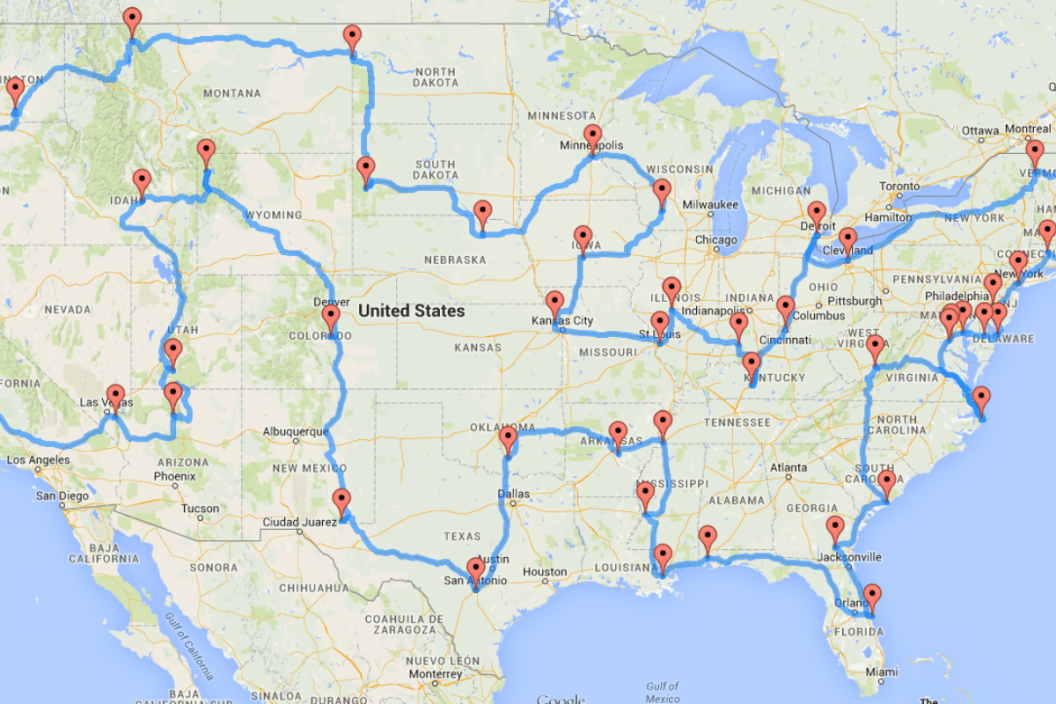
Efficient navigation and meticulous route planning are cornerstones of a stress-free American road trip. Choosing the right tools and strategizing your journey can significantly impact your experience, transforming potential headaches into memorable moments. Careful consideration of factors like distance, time constraints, and desired sightseeing opportunities is crucial for a smooth and enjoyable trip.A well-planned route not only saves time and fuel but also allows for a more relaxed and enjoyable journey, maximizing the opportunities to appreciate the diverse landscapes and attractions the USA has to offer.
Failing to plan adequately can lead to unexpected delays, increased stress, and a less-than-ideal travel experience.
Navigation App Comparison
Several navigation apps cater to the needs of road-trippers, each with its own strengths and weaknesses. Choosing the right app depends on individual preferences and priorities. Popular options include Google Maps, Waze, and Apple Maps.Google Maps boasts comprehensive map coverage, detailed street views, and integration with other Google services. However, its reliance on real-time traffic data can sometimes lead to inaccurate estimations, especially in areas with less reliable data.
Waze, on the other hand, focuses heavily on real-time traffic updates and user-reported incidents, making it excellent for avoiding congestion. Its community-driven nature, however, means data accuracy can fluctuate. Apple Maps, while improving, still lags behind Google Maps and Waze in terms of comprehensive data and features. It offers a clean interface and seamless integration within the Apple ecosystem but may lack the detailed information provided by competitors in certain regions.
Sample Itinerary: Pacific Coast Highway
This itinerary illustrates efficient route planning, incorporating scenic routes and points of interest. The route focuses on a portion of the iconic Pacific Coast Highway (Highway 1) in California.This example begins in San Francisco and ends in Los Angeles, a distance of approximately 380 miles. A realistic travel time, considering stops and potential traffic, is around 7-8 hours of driving time, excluding sightseeing.
Day 1: San Francisco to Monterey (approx. 2 hours driving). Explore Cannery Row and the Monterey Bay Aquarium. Day 2: Monterey to Big Sur (approx. 1.5 hours driving).
Hike to McWay Falls in Julia Pfeiffer Burns State Park and enjoy the breathtaking coastal views. Day 3: Big Sur to San Simeon (approx. 2 hours driving). Visit Hearst Castle and enjoy the scenic drive along the coast. Day 4: San Simeon to Los Angeles (approx.
4 hours driving). Stop at Morro Bay for lunch and enjoy the views of Morro Rock.
Avoiding Traffic Congestion and Finding Alternative Routes
Predicting and avoiding traffic congestion is crucial for maintaining a relaxed travel pace. Utilizing real-time traffic data from apps like Google Maps or Waze is paramount. These apps often suggest alternative routes to bypass traffic jams, highlighting faster or less congested paths. Planning your trip during off-peak hours, such as early mornings or late evenings, can also significantly reduce the likelihood of encountering heavy traffic.
Additionally, researching typical traffic patterns for your chosen route can help you anticipate potential congestion points and adjust your schedule accordingly. Consider using less-traveled roads, even if it means a slightly longer drive, to avoid major highways known for congestion. Always check road closures and construction updates before embarking on your journey.
Food and Dining on the Road
Fueling your road trip efficiently and healthily is crucial for a stress-free journey. A well-planned approach to food and dining can significantly impact your energy levels, budget, and overall enjoyment. Careful consideration of meal planning, resource utilization, and smart packing strategies will ensure you’re well-nourished and ready for adventure.Planning your meals in advance helps avoid impulsive, unhealthy choices and saves money.
It also minimizes time spent searching for food on the road, reducing stress.
Developing a Balanced Meal Plan
A successful road trip meal plan incorporates convenience with healthy eating. Pre-planning meals allows for efficient grocery shopping before you leave and minimizes reliance on fast food. Consider packing a mix of perishable and non-perishable items. For example, breakfast could consist of pre-portioned oatmeal packets or breakfast bars. Lunches might include wraps with pre-cooked chicken or hard-boiled eggs, and sandwiches.
Dinners could be simple things like salads with pre-cooked protein or pasta dishes. Remember to include plenty of fruits, vegetables, and nuts for healthy snacks throughout the day. This balanced approach provides sustained energy without sacrificing convenience.
Resources for Finding Local Eateries
Numerous resources are available to discover local restaurants and unique dining experiences along your route. Smartphone apps like Yelp, TripAdvisor, and Google Maps provide user reviews, menus, and location information for countless establishments. Websites dedicated to regional cuisine or specific types of food (e.g., barbecue, seafood) can also offer excellent suggestions. Checking local tourism websites or visitor centers can provide insights into hidden gems and local favorites that may not be widely publicized online.
Additionally, asking locals for recommendations can often lead to memorable and authentic culinary experiences.
Efficient Snack and Drink Packing
Efficient packing of snacks and drinks is essential for a smooth road trip. Opt for reusable containers and water bottles to minimize waste. Packing non-perishable items like granola bars, trail mix, and dried fruit requires minimal refrigeration and reduces spoilage. For perishable items, consider using insulated bags with ice packs to maintain freshness. Pre-portioning snacks into individual bags or containers avoids unnecessary mess and makes it easier to grab a quick bite on the go.
Remember to pack plenty of water, especially if traveling through areas with limited access to potable water. Strategic packing ensures you always have healthy and convenient options available.
Safety and Security Measures
Embarking on a cross-country road trip in the USA is an exciting adventure, but prioritizing safety and security is paramount for a truly stress-free experience. A well-planned approach to safety mitigates potential risks and ensures a smoother journey, allowing you to focus on enjoying the open road. This section Artikels essential safety and security measures to consider before, during, and after your trip.
Emergency Preparedness Checklist
A comprehensive checklist is crucial for handling unexpected situations. Having readily accessible emergency information and supplies can significantly reduce stress and improve response times in unforeseen circumstances. This preparedness extends beyond simply having a first-aid kit; it encompasses communication, vehicle readiness, and personal safety measures.
- Emergency Contacts: Compile a list of emergency contacts including family, friends, roadside assistance (AAA, etc.), local emergency services (911), and your insurance provider. Keep this list readily accessible, perhaps stored in multiple locations within your vehicle and digitally on your phone. Consider sharing your itinerary with a trusted contact.
- Vehicle Safety Kit: Pack a comprehensive kit including a first-aid kit with essential medications, jumper cables, a flashlight with extra batteries, a basic tool kit, flares or reflective triangles, and a spare tire with jack and lug wrench. Regularly check the condition of these items before and during your trip.
- Personal Safety Items: Include a whistle, a multi-tool, a portable charger for your phone, and any personal medications. Consider a personal locator beacon (PLB) for remote areas with limited cell service.
Rest Stop and Overnight Stay Safety
Rest stops and overnight accommodations present unique safety considerations. Maintaining awareness of your surroundings and taking proactive steps to enhance security are vital. Remember that even seemingly safe locations can present unexpected challenges.
- Rest Stop Safety: Avoid stopping at isolated or poorly lit rest stops, particularly at night. Park in well-lit areas and keep your vehicle locked. Be mindful of your belongings and avoid leaving valuables visible. If you feel uneasy, continue to the next rest stop.
- Overnight Stay Safety: When choosing accommodations, prioritize well-lit, reputable establishments with security measures in place. Lock your vehicle and hotel room doors, and utilize any provided security features like safes or deadbolt locks. Be aware of your surroundings when entering and exiting your accommodation.
Theft Prevention and Valuables Protection
Protecting your valuables is crucial during a road trip. Taking proactive steps can significantly reduce the risk of theft and loss. Remember that prevention is always better than cure.
- Conceal Valuables: Avoid leaving valuables visible in your vehicle. Keep important documents, cash, and electronics out of sight, ideally locked in a secure container or the trunk. Avoid displaying expensive jewelry or electronics.
- Vehicle Security: Always lock your vehicle, even for short stops. Consider investing in a steering wheel lock or other anti-theft devices, particularly if you’re parking in less secure areas. Use your hotel room safe for valuables and consider using a travel-sized safe for your vehicle.
- Awareness and Vigilance: Be aware of your surroundings at all times. Avoid displaying large amounts of cash or expensive items. If you notice anything suspicious, trust your instincts and seek assistance if needed.
Travel Hacks for Saving Time and Money
Embarking on a cross-country road trip can be an incredible adventure, but careful planning is key to maximizing enjoyment while minimizing expenses and stress. This section focuses on practical strategies for saving both time and money during your American road trip, ensuring a smoother and more affordable journey. We’ll explore various money-saving techniques and time-management hacks to help you make the most of your trip.
Money-Saving Travel Hacks
Utilizing discounts, coupons, and reward programs can significantly reduce the overall cost of your road trip. Strategic planning and a little research can lead to substantial savings on gas, accommodation, food, and activities.
| Hack | Benefit |
|---|---|
| Utilize Gas Reward Programs | Many gas stations offer loyalty programs that provide discounts or cashback on fuel purchases. For example, some programs offer a discount per gallon or points that can be redeemed for free gas. Accumulating points over time can lead to significant savings on fuel costs, especially on long road trips. |
| Look for Accommodation Deals and Discounts | Websites like Expedia, Booking.com, and Kayak often offer discounts on hotels and motels. Consider searching for deals on sites like Groupon or LivingSocial for additional savings. Joining hotel loyalty programs can also provide discounts and perks, such as free Wi-Fi or complimentary breakfast. |
| Employ Couponing and Discount Apps | Numerous apps, such as RetailMeNot and Coupons.com, offer digital coupons for restaurants, attractions, and other services. Check for local deals and discounts in your travel destinations. Many restaurants also offer discounts through their own loyalty programs or apps. |
| Pack Your Own Food and Drinks | Eating out at restaurants for every meal can be expensive. Packing your own lunches, snacks, and some dinners will drastically cut down on food costs. This is especially beneficial for longer drives where frequent stops for meals can be time-consuming. |
| Take Advantage of Free Activities | Many national parks, state parks, and other attractions offer free admission days or discounted rates. Look for free activities such as hiking trails, scenic overlooks, and free events in your destination cities. This allows you to experience the beauty of the US without breaking the bank. |
Time-Saving Travel Hacks
Effective time management is crucial for a stress-free road trip. Strategic packing, efficient navigation, and well-planned daily schedules can save valuable time and minimize delays.
| Hack | Benefit |
|---|---|
| Pack Strategically and Efficiently | Create a detailed packing list to avoid overpacking. Roll your clothes instead of folding them to save space and prevent wrinkles. Pack versatile clothing items that can be mixed and matched to reduce the number of outfits you need. This minimizes luggage weight and simplifies packing/unpacking. |
| Utilize GPS Navigation with Offline Maps | Download offline maps of your planned route before you leave. This ensures you have access to navigation even in areas with limited or no cell service. Plan your route in advance, identifying potential traffic congestion points and alternate routes. This will help you avoid unexpected delays. |
| Create a Detailed Daily Itinerary | Plan your daily activities in advance, including driving times, sightseeing stops, and meal breaks. This helps you allocate sufficient time for each activity and avoid rushing. Building buffer time into your schedule allows for unforeseen delays or unexpected stops. |
| Utilize Drive-Thru Services | For meals on the road, utilizing drive-thru restaurants or fast-food chains can save significant time compared to sit-down restaurants. This allows you to quickly refuel and continue your journey without spending excessive time on meal breaks. |
| Pre-book Accommodation and Activities | Booking your hotels and popular attractions in advance, especially during peak season, ensures availability and can often secure better rates. This eliminates the need to search for accommodations on the road, saving both time and potential stress. |
Importance of Travel Insurance
Embarking on a road trip across the USA promises adventure and unforgettable experiences. However, unforeseen circumstances can quickly turn a dream vacation into a costly nightmare. Travel insurance acts as a safety net, protecting you from financial losses and providing peace of mind, allowing you to focus on enjoying your journey. Understanding the various types of coverage and their benefits is crucial for making an informed decision.Travel insurance policies typically offer a range of coverage options, each designed to address specific potential problems.
The extent of coverage and the associated costs vary significantly depending on the policy’s terms and the insurer. Choosing the right policy requires careful consideration of your individual needs and the potential risks involved in your specific trip.
Types of Travel Insurance Coverage and Their Benefits
Travel insurance policies are designed to mitigate various risks associated with travel. Common types of coverage include trip cancellation or interruption insurance, medical expense coverage, emergency medical evacuation, baggage loss or delay, and travel accident insurance. Trip cancellation insurance reimburses you for prepaid, non-refundable trip expenses if you need to cancel your trip due to covered reasons like a sudden illness or a natural disaster.
Medical expense coverage helps pay for medical treatment received while traveling. Emergency medical evacuation covers the cost of transporting you to a medical facility better equipped to handle your condition. Baggage loss or delay coverage reimburses you for lost or delayed luggage. Finally, travel accident insurance provides financial compensation in case of an accident resulting in injury or death.
Scenarios Where Travel Insurance is Crucial
Several scenarios highlight the importance of having adequate travel insurance. For example, consider a sudden illness requiring hospitalization during your trip. Medical expenses in the US can be extraordinarily high, and without insurance, you could face crippling debt. Similarly, a natural disaster, such as a hurricane, could force you to cancel your trip, resulting in significant financial losses if you haven’t secured trip cancellation insurance.
Unexpected events like flight cancellations or lost luggage can also lead to considerable expenses, which travel insurance can help alleviate. A car accident resulting in injury could trigger significant medical bills and lost wages, making travel insurance even more essential.
Comparison of Costs and Coverage Options
The cost of travel insurance varies based on factors such as the length of your trip, your destination, your age, and the level of coverage you select. A basic policy might cost a few hundred dollars, while comprehensive coverage could cost significantly more. Several reputable providers offer travel insurance, including companies specializing in travel insurance and those offering it as an add-on to credit card services.
It’s advisable to compare quotes from multiple providers to find the best value for your needs. Pay close attention to the policy’s fine print, particularly the exclusions and limitations of coverage. Consider reading online reviews and ratings before making a decision to get a sense of other travelers’ experiences with different insurers. For instance, a comparison website might show that provider A offers comprehensive coverage for $500 while provider B offers similar coverage for $650, allowing for a direct comparison.
Capturing Memories
A road trip across the USA offers countless photo opportunities. From majestic mountains to charming roadside diners, your journey is filled with potential for stunning images. Learning a few basic photography techniques can significantly elevate your travel photos, transforming snapshots into lasting memories. This section provides practical tips for capturing compelling visuals of your American adventure.
Mastering composition, lighting, and basic editing can make a world of difference. Understanding your camera’s settings allows you to adapt to different scenes and lighting conditions, ensuring you capture the best possible images. Remember, the goal is to create photos that reflect the spirit and beauty of your road trip.
Composition Techniques for Road Trip Photography
Effective composition is crucial for creating visually appealing photographs. The rule of thirds, leading lines, and framing are fundamental techniques that can significantly improve your images. By consciously applying these principles, you can create more dynamic and engaging compositions.
The rule of thirds suggests placing your subject off-center, approximately one-third of the way from either the top or bottom, and one-third of the way from either side. This creates a more balanced and visually interesting image than centering your subject. Leading lines, such as roads, rivers, or fences, can guide the viewer’s eye through the photograph, creating a sense of depth and movement.
Framing involves using elements within the scene, such as trees or arches, to draw attention to your main subject. For example, a picture of a classic diner framed by a stand of towering redwoods creates a striking visual contrast.
Utilizing Light for Enhanced Photography
Lighting is arguably the most critical aspect of photography. The quality of light dramatically affects the mood and impact of your images. Understanding how to utilize different lighting conditions – such as golden hour (the hour after sunrise and the hour before sunset) and blue hour (the period shortly after sunset and before sunrise) – will help you capture stunning photographs.
Golden hour light is warm and soft, creating a magical atmosphere ideal for landscapes and portraits. Blue hour offers a cool, serene ambiance, perfect for capturing cityscapes or reflective water scenes. Harsh midday sun can create strong shadows, so consider using shade or diffusing the light with a reflector or a simple white sheet. A photograph of the Grand Canyon bathed in the golden light of sunset will be vastly different from a midday shot, showcasing the canyon’s depth and texture far more effectively in the golden hour light.
Camera Settings for Diverse Scenes
Different camera settings are required for various scenarios. Understanding aperture, shutter speed, and ISO will enable you to capture sharp, well-exposed images, regardless of the conditions.
Aperture controls the depth of field (the area of the image that is in focus). A wide aperture (low f-number, e.g., f/2.8) creates a shallow depth of field, ideal for portraits where you want to blur the background and emphasize the subject. A narrow aperture (high f-number, e.g., f/16) creates a large depth of field, ideal for landscapes where you want everything to be in focus.
Shutter speed controls how long the camera’s sensor is exposed to light. A fast shutter speed (e.g., 1/500s) freezes motion, perfect for capturing action shots. A slow shutter speed (e.g., 1/30s or longer) can create motion blur, ideal for capturing light trails or waterfalls. ISO measures the camera’s sensitivity to light. A low ISO (e.g., 100) produces less noise but requires more light.
A high ISO (e.g., 3200) is useful in low-light situations but can introduce noise (grain) into the image. For example, photographing a speeding car requires a fast shutter speed to freeze the motion, while capturing the Milky Way at night requires a slow shutter speed and a high ISO.
Visa Requirements for Domestic US Travel
Domestic travel within the United States generally does not require a visa for US citizens and permanent residents. The vast majority of individuals traveling within the country’s borders will not encounter visa requirements. However, there are specific circumstances and exceptions that warrant attention.For most people, a valid government-issued photo ID, such as a driver’s license or state-issued identification card, is sufficient for domestic air travel and often for ground transportation.
However, certain situations necessitate additional documentation.
Travel for Individuals from US Territories
Individuals traveling from US territories, such as Puerto Rico, Guam, American Samoa, and the US Virgin Islands, generally do not need a visa for domestic travel to the mainland United States or between other territories. They typically only require a valid government-issued photo ID. However, it’s always advisable to check with the specific airline or transportation provider for any potential additional requirements.
Some transportation providers might have specific policies regarding identification for travelers from territories.
Travel for Non-Citizens with Permanent Residency
Permanent residents of the United States (green card holders) are generally not required to have a visa for domestic travel. A valid green card serves as proof of their legal residency and should be sufficient for all forms of domestic transportation. However, carrying additional identification, such as a driver’s license, can be helpful.
Travel for Non-Citizens with Temporary Visas
Non-citizens traveling within the United States on temporary visas (such as student visas, work visas, or tourist visas) should ensure their visa remains valid throughout the duration of their domestic travel. They must carry their visa and passport at all times as proof of their legal status in the country. Failure to do so can lead to complications.
It is advisable to confirm with immigration authorities about any specific requirements regarding domestic travel on a temporary visa.
Documents Needed for Domestic US Travel
A simple checklist of documents typically needed for domestic travel within the United States includes:
- A valid government-issued photo ID (driver’s license, state ID card, or passport)
- For air travel, a boarding pass or electronic confirmation of your flight
- For non-citizens, a valid visa and passport
- For those using rental cars, a driver’s license and rental agreement
- Travel itinerary or confirmation of accommodations
While this list covers the most common scenarios, it is always recommended to check with the specific airline, transportation provider, or accommodation establishment for their specific requirements, particularly if traveling with children or under unique circumstances. Proactive preparation ensures a smoother travel experience.
Urban Escapes During Your Road Trip
Incorporating vibrant city breaks into your American road trip can significantly enhance your travel experience, offering a welcome contrast to the open road and a chance to delve into diverse cultures and attractions. Strategic urban stops allow for rest, rejuvenation, and exploration of unique urban landscapes, making your journey more engaging and memorable. Proper planning is key to ensuring these urban detours don’t add undue stress to your trip.
Suggested Urban Destinations and Activities
Several popular US road trip routes offer fantastic opportunities to explore exciting cities. The following examples highlight some key destinations and their attractions, offering a taste of the variety available across the country. Remember to check official websites for the most up-to-date information on opening times, ticket prices, and any COVID-related restrictions.
Must-See Attractions and Activities in Selected Cities
Many cities along popular routes offer a rich tapestry of activities, from historical landmarks to vibrant cultural scenes. Careful selection of attractions will ensure you make the most of your limited time in each location. Prioritizing activities based on your interests and available time will contribute to a more enjoyable and less stressful experience.
| City | Attraction | Cost (Estimate) | Time Needed |
|---|---|---|---|
| New Orleans, LA (Route 61) | French Quarter exploration, including Jackson Square and St. Louis Cathedral | Free – $50 (depending on tours and meals) | Half-day to a full day |
| Nashville, TN (various routes) | Country Music Hall of Fame and Museum, Ryman Auditorium | $20 – $50 per attraction | Half-day to a full day |
| Chicago, IL (I-90, I-94) | Millennium Park (Cloud Gate “The Bean”), Art Institute of Chicago | Free – $30 (Art Institute entry) | Half-day to a full day |
| San Francisco, CA (Pacific Coast Highway) | Golden Gate Bridge, Alcatraz Island (requires advance booking), Fisherman’s Wharf | Free – $100+ (Alcatraz ferry and tour) | One to two full days |
Exploring Vacation Packages and Programs
Planning a road trip across the USA can be overwhelming. Pre-packaged vacation packages offer a structured approach, streamlining the planning process and often providing cost savings. However, independent travel allows for greater flexibility and customization. Understanding the advantages and disadvantages of each approach is crucial for selecting the best option based on individual preferences and travel style.Pre-packaged vacation options, while convenient, might not always cater to every traveler’s specific needs or budget.
Independent travel, on the other hand, offers complete control but demands more time and effort in planning. This section compares and contrasts these approaches, examining their value and inclusions, ultimately assisting in making an informed decision.
Types of Vacation Packages and Their Value
Vacation packages vary widely in their offerings and price points. They are designed to appeal to different interests and budgets, from budget-conscious travelers to those seeking luxury experiences. A careful comparison of inclusions is key to determining value.
For example, a basic package might include only accommodation and transportation, while a premium package could incorporate guided tours, meals, and access to exclusive amenities. Consider a package focused on national park exploration versus one centered around city hopping. The former might prioritize lodging near parks and access to park passes, while the latter may offer accommodation in central locations with included city tours and transportation passes.
Comparison of Pre-packaged Vacations and Independent Travel
Pre-packaged vacations simplify the planning process, often offering bundled discounts on flights, accommodation, and activities. This eliminates the need to research and book individual components separately, saving time and potentially money. However, pre-packaged options may lack flexibility, limiting the ability to deviate from the itinerary. Independent travel, while demanding more planning, offers complete control over every aspect of the trip, allowing for spontaneous detours and customized experiences.
This increased flexibility comes at the cost of increased responsibility and potential for higher costs if not managed effectively.
Examples of Vacation Packages Catering to Diverse Interests
Several companies specialize in creating themed road trip packages. Consider a “National Parks Adventure” package, encompassing lodging near several parks, park entrance fees, and potentially guided tours. Alternatively, a “Coastal Highway Cruise” package might focus on scenic routes along the coast, offering accommodation in beachfront hotels and perhaps even boat tours. Budget-conscious travelers might find “value-added” packages that include accommodation and transportation, but exclude excursions or meals, offering a more affordable base option for customization.
Luxury packages could include private transportation, upscale accommodations, and curated experiences, such as private wine tastings or helicopter tours. These diverse offerings illustrate how pre-packaged options can cater to a wide range of preferences and financial capabilities.
Venture Capital and Road Trip Businesses (Tangential, for context)
Venture capital, traditionally associated with high-growth technology companies, is increasingly finding fertile ground in the travel industry. The rise of the sharing economy and the increasing demand for unique travel experiences have created a landscape ripe for innovation, particularly within the niche market of road trips. Road trip businesses, leveraging technology and addressing unmet needs, are attracting significant attention from investors seeking high-return opportunities.The infusion of venture capital into road trip-related businesses can significantly accelerate their growth, allowing them to expand their services, enhance their technology, and reach a wider audience.
This investment not only benefits the businesses themselves but also enhances the overall road trip experience for travelers. This symbiotic relationship drives innovation and competition, leading to a more refined and enjoyable travel experience for consumers.
Examples of Innovative Road Trip Businesses Seeking Venture Capital
Several innovative business models are emerging within the road trip sector, attracting substantial interest from venture capitalists. These businesses often leverage technology to streamline the planning and execution of road trips, enhance safety, and provide unique experiences. For instance, companies offering curated road trip itineraries based on user preferences, incorporating real-time traffic updates and personalized recommendations, are gaining traction.
Another example is the development of mobile applications that connect travelers with local experiences, such as guided tours or unique dining options, along their chosen route. Finally, companies focused on providing roadside assistance services tailored to the needs of road trippers, such as mobile mechanics or emergency kits delivered on demand, represent another area attracting investor attention. These examples highlight the diversity and potential of the road trip business landscape.
Utilizing Technology to Enhance the Road Trip Experience
Technology plays a pivotal role in transforming the road trip experience. Businesses are utilizing various technological advancements to improve aspects such as planning, navigation, safety, and communication. For example, sophisticated route-planning algorithms can optimize routes based on real-time traffic conditions, fuel prices, and points of interest. Furthermore, integrated GPS systems with augmented reality features can provide real-time information about nearby attractions, restaurants, and potential hazards.
Advanced safety features such as driver monitoring systems and in-car communication tools can contribute to a safer driving experience. Mobile applications offer features like offline maps, curated itineraries, and seamless booking of accommodations and activities, all contributing to a more seamless and enjoyable road trip. The integration of these technologies allows for a more personalized, efficient, and secure road trip experience.
With careful planning and the right approach, your US road trip can be a truly rewarding experience. By implementing the strategies Artikeld in this guide, you can significantly reduce stress, maximize enjoyment, and create lasting memories. Remember, the journey is just as important as the destination, so embrace the open road, explore with confidence, and savor every moment of your American adventure.
Safe travels!
FAQ Resource
What are some essential items for a roadside emergency kit?
A roadside emergency kit should include jumper cables, a flashlight, basic tools (wrench, pliers), a first-aid kit, reflective triangles or flares, and water/non-perishable snacks.
How can I find affordable gas prices along my route?
Utilize gas price comparison apps like GasBuddy or use online search engines to compare prices at different stations along your planned route.
What are some tips for preventing car sickness on long drives?
Take frequent breaks, avoid strong smells, focus on the horizon, and consider motion sickness medication if necessary. Fresh air can also help.
How can I stay connected during my road trip?
Consider purchasing a portable Wi-Fi hotspot or investing in a cell phone plan with adequate data for your trip. Many cafes and restaurants also offer free Wi-Fi.


