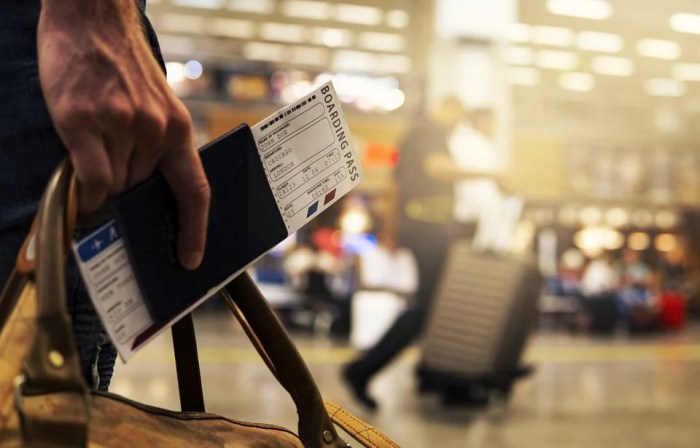
Navigating busy airports can feel like a marathon, but with the right strategies, you can transform your travel experience from stressful to seamless. This guide unveils essential hacks to expedite your journey through airport terminals, from pre-flight preparation to navigating security checkpoints and conquering gate locations. Learn how to optimize your time and minimize frustrations, turning potential headaches into a smooth and efficient travel process.
We’ll explore practical tips and techniques designed to help you conquer airport challenges, covering everything from smart packing strategies and utilizing technology to choosing the best transportation options and understanding airport layouts. By mastering these hacks, you can reclaim valuable time and energy, allowing you to focus on the enjoyment of your trip rather than the anxieties of airport transit.
Pre-Airport Preparation
Efficient pre-airport preparation is crucial for a smooth and stress-free travel experience. By taking proactive steps before arriving at the airport, you can significantly reduce waiting times and potential frustrations associated with check-in and security procedures. This section Artikels strategies for optimizing your pre-airport process.
Online Check-in and Baggage Options
Checking in online offers considerable time savings. Most airlines allow online check-in 24 hours before your flight. This process typically involves entering your booking reference and passenger details. You’ll then be able to select your seat (if available) and choose your baggage options. For checked baggage, you can often pre-purchase baggage allowances online, which is generally cheaper than paying at the airport.
After completing online check-in, you’ll receive a mobile boarding pass, eliminating the need to print a paper copy and potentially queue at the airport kiosk. Remember to download your boarding pass to your mobile device or save it to your email for easy access.
Security Checkpoint Checklist
A well-organized packing strategy minimizes delays at security checkpoints. This checklist ensures you have everything you need while avoiding prohibited items.
| Prohibited Items | Allowed Items |
|---|---|
| Liquids exceeding 3.4 oz (100ml) in carry-on baggage | Liquids in containers of 3.4 oz (100ml) or less in a quart-sized, clear, resealable bag. |
| Sharp objects (knives, scissors, etc.) | Small, blunt scissors (check airline restrictions). |
| Flammable materials (lighter fluid, aerosol cans) | Small quantities of non-flammable hand sanitizer (check airline restrictions). |
| Large quantities of gels or creams | Gels and creams in containers of 3.4 oz (100ml) or less in a quart-sized, clear, resealable bag. |
| Firearms and ammunition | Prescription medications (with proper documentation). |
TSA PreCheck and Global Entry
TSA PreCheck and Global Entry programs significantly expedite security screening. TSA PreCheck is specifically for domestic US flights, allowing expedited screening through dedicated TSA PreCheck lanes. Global Entry is a broader program encompassing expedited customs and immigration processing upon arrival in the United States and is also linked to TSA PreCheck. Both programs require an application, background check, and a fee.
The benefits include shorter lines, less stringent security procedures (you can often leave on shoes, belts, and light jackets), and a more efficient travel experience.
Packing Liquids and Electronics
To avoid security delays, pack liquids in accordance with TSA regulations. All liquids, gels, aerosols, creams, and pastes must be in containers of 3.4 ounces (100ml) or less and placed inside a single, quart-sized, clear, resealable plastic bag. Only one bag per passenger is allowed. For electronics, keep them readily accessible in your carry-on bag for easy removal at the security checkpoint.
This avoids unnecessary delays and allows for a smoother security screening process. It is advisable to have your laptop and tablets in a separate bag or easily accessible in your carry-on for quicker access.
Navigating the Airport Efficiently

Efficient airport navigation is crucial for stress-free travel. Understanding terminal layouts, utilizing available resources, and choosing the right transportation method can significantly reduce travel time and improve your overall airport experience. This section provides practical strategies for conquering terminals and gates with ease.
Optimal Airport Terminal Route
Imagine a typical airport terminal. Upon arrival at baggage claim (usually located in the lower level), proceed directly towards the elevators or escalators to reach the departures level. This avoids unnecessary backtracking. If restroom facilities are needed, locate them near the baggage claim area or on the departures level before heading to your gate. Many terminals are designed with restrooms conveniently placed along main walkways.
Once refreshed, consult the terminal map (either physical or digital) to determine the optimal route to your gate, minimizing distance and avoiding congested areas. Prioritize the shortest path, keeping in mind that walking is often faster than waiting for airport trams or shuttles, especially for shorter distances. This visualized route prioritizes efficiency and minimizes time spent navigating the terminal.
Airport Apps and Online Resources
Numerous airport apps and online resources provide real-time flight information, gate assignments, and interactive terminal maps. These tools are invaluable for staying updated on potential delays or gate changes. Examples include the official airport website, flight tracking apps like FlightAware or Flightradar24, and airline-specific apps. These resources often allow you to search for specific gates, restaurants, shops, or services within the terminal.
Using these tools pre-departure and throughout your journey allows for proactive adjustments to your travel plan, ensuring you reach your gate promptly.
Airport Transportation Methods
Airport transportation options vary, each with its own advantages and disadvantages. Walking is often the fastest option for shorter distances between gates within the same terminal. Airport trams or automated people movers are efficient for traversing longer distances within a large terminal complex, particularly beneficial for those with mobility challenges or heavy luggage. Shuttles typically connect different terminals or remote parking areas to the main terminal.
However, shuttles can be slower due to stops and potential waiting times. The choice of transportation method should be based on the distance to your gate and the availability of each option. For instance, if your gate is only a short walk away, walking is significantly faster than waiting for a tram.
Effective Use of Airport Signage
Airport signage is designed to guide passengers efficiently. Familiarize yourself with the terminal map before arriving at your gate. Pay close attention to color-coded signage indicating directions to gates, restrooms, and other amenities. Many airports use a consistent color scheme; for example, blue might indicate restrooms, and green might indicate gates. Look for electronic flight information displays that show gate assignments, flight numbers, and departure times.
These displays are often located at key intersections within the terminal, providing a quick visual confirmation of your gate location. Finally, don’t hesitate to ask airport staff for assistance if needed; they are there to help.
Essential Items for Airport Travel
Smooth airport navigation hinges not only on efficient planning but also on having the right essentials readily available. A well-packed carry-on bag can significantly reduce stress and enhance your overall travel experience, making even lengthy layovers more manageable. This section focuses on the key items that contribute to a comfortable and efficient journey.
Packing strategically for airport travel involves considering both comfort and practicality. The goal is to minimize the burden while maximizing your ability to navigate the airport environment effectively and comfortably.
Carry-On Bag Essentials for Airport Comfort and Efficiency
A thoughtfully curated carry-on bag is your best friend during airport transit. The following items ensure a smoother, more comfortable journey:
- Portable Charger: Keeps your electronic devices powered throughout your journey, preventing the anxiety of a dead phone or laptop.
- Noise-Cancelling Headphones or Earbuds: Essential for blocking out airport noise and enhancing the enjoyment of entertainment.
- Entertainment: Books, magazines, downloaded movies, or podcasts to keep you occupied during delays or layovers. Consider downloading content beforehand to avoid relying on unreliable airport Wi-Fi.
- Snacks: Healthy, non-perishable snacks like nuts, granola bars, or fruit help stave off hunger and avoid overpriced airport food.
- Travel-Sized Toiletries: These are essential for freshening up after a long flight or a stressful security check. Remember to adhere to TSA regulations regarding liquid containers.
- Medications: Pack any necessary prescription or over-the-counter medications in their original containers with labels.
- Comfortable Clothing: Layers are recommended for adapting to varying temperatures in different airport terminals. Comfortable shoes are a must.
- Travel Pillow: Improves comfort during long flights or layovers, especially if you plan to nap.
- Documents and Identification: Keep your boarding pass, passport, driver’s license, and other important travel documents readily accessible.
Benefits of a Lightweight Carry-On Bag
Choosing a lightweight and easily maneuverable carry-on bag offers several advantages. It reduces physical strain, particularly when navigating crowded terminals or maneuvering up and down escalators and stairs. A smaller bag also makes it easier to find space in overhead compartments and reduces the risk of checked baggage delays or loss.
Advantages of Bringing a Reusable Water Bottle
Bringing a reusable water bottle allows you to stay hydrated throughout your journey without resorting to expensive bottled water at the airport. This is both cost-effective and environmentally friendly. Remember to empty the bottle before going through security.
Staying Entertained During Airport Layovers
Long layovers can be tedious, but with proper preparation, they can be surprisingly productive or enjoyable. Downloaded audiobooks, podcasts, or e-books provide hours of entertainment without relying on Wi-Fi. Many airports also offer free Wi-Fi, which can be used to catch up on emails or social media. Alternatively, you can use the time to people-watch, observe airport architecture, or even do some light stretching exercises.
Travel Hacks
Navigating airports efficiently is only half the battle. Smart travelers understand that significant time and money savings, and a smoother overall journey, can be achieved by extending their planning beyond the airport gates themselves. This section focuses on strategies to minimize expenses, avoid common pitfalls, and handle unexpected travel disruptions.
Airport Parking and Transportation Cost Savings
Securing affordable airport transportation is crucial. Pre-booking parking through online platforms often yields lower rates than paying on arrival. Consider off-site parking lots located a short shuttle ride from the terminal; these frequently offer considerable discounts compared to on-airport parking. Public transportation, such as buses or trains, represents another cost-effective alternative, especially for airports well-served by public transit systems.
Ride-sharing services can also be competitive, particularly when shared with fellow travelers. Remember to factor in travel time to and from the airport when comparing options.
Common Airport Scams and Avoidance Strategies
Airport environments, with their bustling crowds and hurried atmosphere, unfortunately, attract opportunistic scammers. Be wary of unsolicited offers for assistance with luggage or navigation; airport staff are easily identifiable by their uniforms. Avoid exchanging currency at unofficial exchange bureaus, as their rates are often significantly less favorable. Be vigilant about your belongings at all times, and never leave them unattended.
Report any suspicious activity immediately to airport security. Using reputable transportation services and pre-booked transfers minimizes the risk of encountering fraudulent operators.
Handling Flight Delays and Cancellations
Unexpected flight disruptions are unfortunately common. Having travel insurance is vital; it can provide reimbursement for expenses incurred due to delays or cancellations. Familiarize yourself with your airline’s policies regarding rebooking and compensation. Check your airline’s app or website regularly for updates. If a delay or cancellation occurs, contact your airline immediately to explore rebooking options or claim compensation.
Remain calm and polite when communicating with airline staff. Pack snacks and entertainment to help pass the time during unexpected delays.
Utilizing Travel Apps for Flight Price Comparison
Numerous travel apps offer powerful flight comparison tools. These apps aggregate data from multiple airlines and travel agencies, allowing you to quickly compare prices and find the best deals. Popular options include Google Flights, Skyscanner, Kayak, and Momondo. Use these apps to set price alerts, which notify you of price drops on specific routes. Be flexible with your travel dates; flying on less popular days or times can often save money.
Consider using incognito mode in your browser or clearing your cookies to avoid inflated prices caused by price tracking algorithms. Remember that the cheapest option isn’t always the best; consider factors like flight duration, layovers, and airline reputation.
Related Topics
Navigating airports efficiently is only one piece of the travel puzzle. A smooth journey also requires pre-planning, understanding insurance options, and considering other travel aspects to ensure a memorable and stress-free experience. This section expands on essential elements that contribute to a successful trip, from capturing the perfect travel photograph to securing the right visa.
Travel Insurance Coverage Options
Travel insurance is a crucial investment protecting against unforeseen circumstances. Different policies offer varying levels of coverage, catering to individual needs and trip types. Choosing the right policy depends on factors like trip duration, destination risk, and personal circumstances.
| Coverage Type | Description | Example |
|---|---|---|
| Trip Cancellation/Interruption | Covers costs associated with cancelling or interrupting your trip due to unforeseen events (illness, weather, etc.). | Reimbursement for non-refundable flights and accommodation if you fall ill before or during your trip. |
| Medical Expenses | Covers medical costs incurred while traveling, including emergency medical evacuation. | Coverage for hospital bills, doctor visits, and medication costs in a foreign country. |
| Baggage Loss/Delay | Covers the cost of replacing or recovering lost or delayed luggage. | Compensation for lost clothing, electronics, and other personal items. |
| Emergency Assistance | Provides 24/7 access to assistance services, including medical referrals and emergency contact support. | Help with finding a local doctor, arranging transportation to a hospital, or contacting family in case of an emergency. |
Airport Photography Techniques
Airports, with their dynamic architecture and diverse human activity, offer unique photographic opportunities. Mastering composition and lighting is key to capturing stunning images.Effective composition involves strategically placing elements within the frame. Consider using leading lines (e.g., walkways, escalators) to guide the viewer’s eye. Experiment with different angles, such as shooting from low perspectives to emphasize height or from high vantage points to capture a bird’s-eye view of the bustling terminal.
The rule of thirds, placing key elements off-center, can create more visually appealing images.Lighting plays a crucial role. Natural light near windows can provide soft, diffused light, ideal for portraits or showcasing architectural details. Avoid harsh direct sunlight, which can create unwanted shadows. Experiment with artificial light sources, such as overhead lights or signage, to create dramatic effects or highlight specific areas.
Consider using a polarizing filter to reduce glare and enhance color saturation.
Essential Travel Tips for Domestic and International Travel
Thorough preparation is paramount for a seamless journey, regardless of travel distance. These tips apply to both domestic and international trips.
- Check visa requirements well in advance.
- Make copies of important documents (passport, tickets, insurance).
- Inform your bank and phone provider of your travel plans.
- Pack light and efficiently.
- Learn basic phrases in the local language (for international travel).
- Research local customs and etiquette.
- Stay hydrated and maintain good health practices.
- Be aware of your surroundings and personal safety.
Obtaining a Travel Visa
The process of obtaining a travel visa varies depending on your nationality and destination country. Generally, it involves completing an application form, providing supporting documents (passport, photos, proof of funds, itinerary), and potentially attending an interview at an embassy or consulate. Check the specific requirements of your destination country well in advance, as processing times can be lengthy.
Allow ample time for visa applications, especially during peak seasons.
Urban Escape Planning for Time Efficiency
Maximizing your time during a city break involves strategic planning. Research attractions beforehand, prioritizing those most important to you. Utilize public transport or walking tours to save time and money. Consider purchasing city passes for access to multiple attractions. Plan your itinerary loosely, allowing flexibility for spontaneous discoveries.
Sample Vacation Package: A Weekend Getaway to Paris
This example showcases a potential vacation package:* Flights: Round-trip flights from New York to Paris (e.g., $600).
Accommodation
Two nights at a centrally located hotel (e.g., $300).
Activities
Eiffel Tower visit, Louvre Museum tour, Seine River cruise (e.g., $200).
Total (estimated)
$1100 (excluding meals and personal expenses).
Adventure Vacation Program: Hiking in the Himalayas
This example focuses on an adventure theme:* Duration: 10 days.
Location
Nepal (Annapurna region).
Activities
Guided trekking, cultural immersion, exploring local villages.
Accommodation
Tea houses and lodges along the trekking route.
Note
This requires physical fitness and appropriate preparation.
Venture Capital in the Travel Industry
Venture capital plays a significant role in funding innovative travel startups. Companies developing new technologies (e.g., booking platforms, travel apps, sustainable tourism solutions) often seek venture capital to scale their operations. This investment fuels growth and competition within the travel sector, leading to enhanced experiences for consumers. For example, companies like Airbnb initially received significant venture capital funding to support their growth and expansion.
Mastering airport navigation isn’t about luck; it’s about preparedness and strategy. By implementing these essential travel hacks – from pre-flight planning and efficient packing to utilizing airport resources and understanding potential pitfalls – you can significantly reduce stress and travel time. Embrace these techniques and transform your airport experience from a dreaded ordeal into a smooth and efficient transition to your well-deserved vacation or business trip.
Remember, a well-planned journey begins long before you step foot inside the terminal.
Detailed FAQs
What if I forget my boarding pass?
Most airlines allow you to retrieve your boarding pass on your phone or through their app. If you don’t have access to technology, contact your airline immediately; they may be able to reprint it at the airport.
How can I handle lost luggage?
Report your lost luggage immediately to the airline’s baggage service counter. They will file a report and assist you in tracking it down. Keep all relevant documentation, including your baggage claim tag.
What should I do if my flight is delayed?
Check the flight status on your airline’s app or website. Contact your airline for updates and potential rebooking options. If you have travel insurance, contact your provider to understand your coverage options for delays.
Are there any free services at airports?
Many airports offer free Wi-Fi, charging stations, and sometimes even comfortable seating areas. Check the airport’s website or app for details on available amenities.


